What credit score is needed to buy a house in Kentucky?
Ultimately, there is no singular credit score that can guarantee you a mortgage approval. Each lender is free to set their own credit score requirements.
But many loan types are insured by government organizations. And lenders cannot accept borrowers with credit scores below the minimum these organizations set. The four most popular home loan types are:
Conventional: Not backed by any government agency, but must meet the Fannie Mae and Freddie Mac underwriting guidelines
FHA: Loans backed by the Federal Housing Administration
VA: Loans backed by the US Department of Veterans Affairs (for military members)
USDA: Loans backed by the US Department of Agriculture (for low- to moderate-income families who buy homes in rural areas)
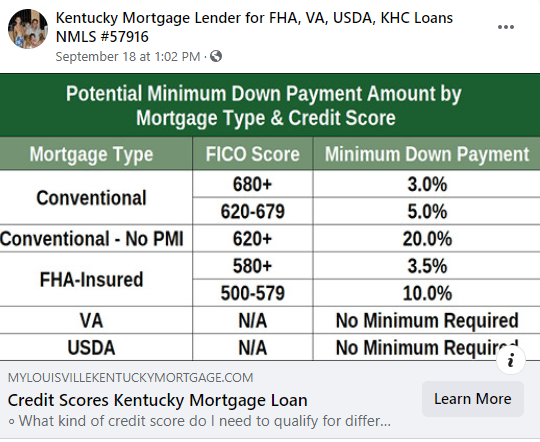
And here are the minimum credit score requirements for each of these loan types:
Conventional:
620 SCORE NEEDED. BUT TO GET APPROVED FOR A FANNIE MAE LOAN MOSTLY LIKE YOU WILL NEED A 720 SCORE OR HIGHER IF YOU HAVE LESS THAN 20% EQUITY POSITION OR LESS THAN 20% DOWN PAYMENT DUE TO PRIVATE MORTGAGE INSURANCE
FHA:
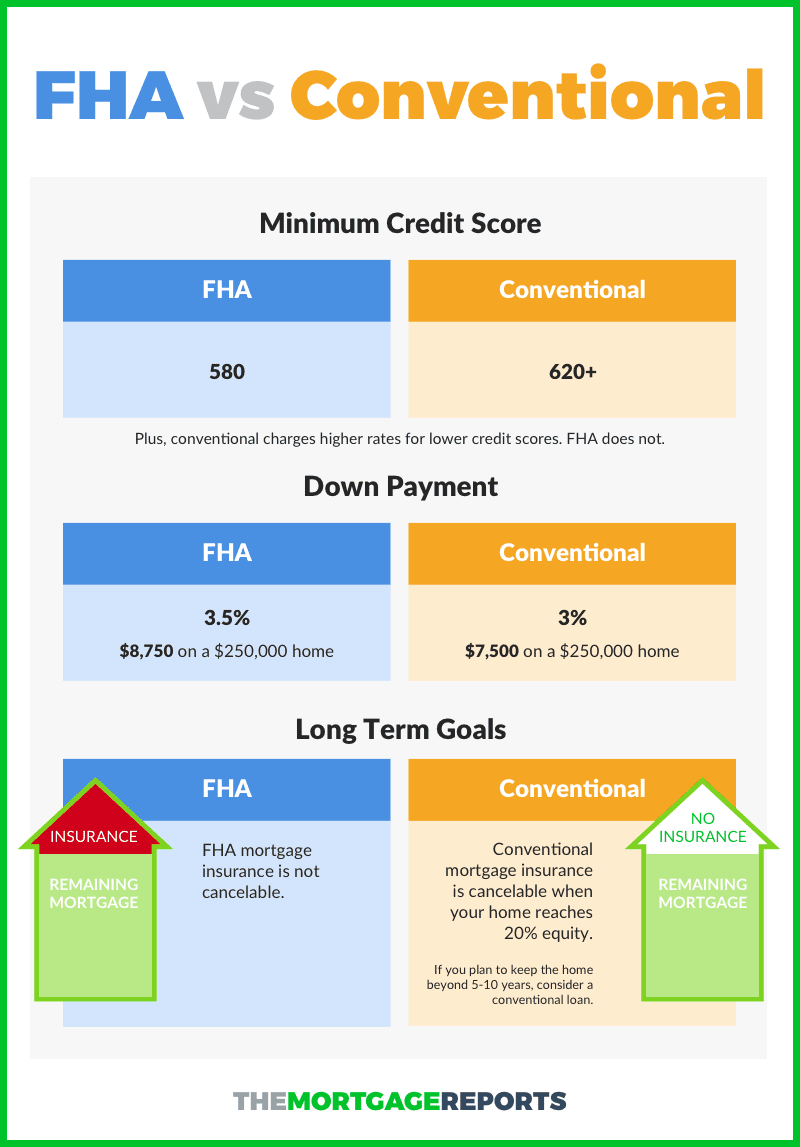
580 for a 3.5% down payment
500 for down payments of at least 10%
**MOST FHA LENDERS WILL WANT A 580 to 620 CREDIT SCORE NOWADAYS
VA:
No minimum BUT MOST VA LENDERS WILL WANT A 580 to 620 CREDIT SCORE
USDA:
No minimum, but with a credit score of at least 620 to 640 you could qualify for streamlined credit analysis and chances of approval goes way down if score is below 640…
When you think credit score, you probably think FICO Since the Fair Isaac Corporation introduced its FICO scoring system in 1989, “What is my FICO score?” has become a common question. FICO scores have burrowed their way into all kinds of lending decisions, most notably mortgages, credit cards, and rentals.
But over the last decade or so, FICO’s market dominance has been challenged by a newcomer called VantageScore. As the result of a collaboration between the three major credit reporting agencies (CRAs) — Experian, Equifax, and TransUnion — VantageScore uses similar scoring methods to FICO but with slightly different results.
So what are the differences, and more importantly, do they really matter to you, the consumer? The short answer: usually no. But you might want to look at different scores for different needs or goals.In this article, we’ll cover the five main differences between FICO and VantageScore and tell you which one to watch.
What credit score is needed to buy a house?
1. Difference in scoring models
FICO and VantageScore aren’t the only scoring models on the market. Lenders use a multitude of scoring methods to determine your creditworthiness and make financial decisions. But despite the numerous options, FICO and VantageScore are likely the only scores you’ll ever personally see.How do FICO and VantageScore rate you? Both use the same basic criteria:
Payment history
Length of credit
Types of credit
Credit usage
Recent inquiries
Although both FICO and VantageScore consider much of the same information, they gather their data in different ways.
FICO bases its scoring model on credit reports from millions of consumers at once. They gather these reports from the three major credit bureaus and analyze the reports’ anonymous consumer data to generate an accurate scoring model.Alternatively, VantageScore uses a combined set of consumer credit files, also obtained from those same three credit bureaus, to come up with a single formula.
Both FICO and VantageScore issue scores ranging from 300 to 850. In the past, VantageScore has used a range of 501 to 990, but the range was adjusted when VantageScore 3.0 was issued in 2013. VantageScore’s numerical rankings now match FICO’s, which makes it easier for consumers and lenders to implement the VantageScore model — plus, it’s less confusing for consumers who check both their FICO score and VantageScore.
2. Variance in scoring requirements
If you don’t have a long history of credit, VantageScore is the score you want to monitor. Before it’s able to establish your credit score, FICO requires at least six months of credit history and at least one account reported to a CRA within the last six months. VantageScore only requires one month of history and one account reported within the past two years.
Because VantageScore allows a shorter credit history and a long period for reported accounts, it’s able to issue credit ratings to millions of consumers who wouldn’t qualify for FICO scores. Considering how everyone from employers to landlords wants to see your credit score these days, if you’re new to credit or haven’t been using it recently, VantageScore might be able to prove your trustworthiness before FICO has enough data to issue a rating.
3. Significance of late payments
A history of late payments will impact both your FICO score and your VantageScore. Both models consider these factors:
How recently the last late payment occurred
How many of your accounts have had late payments
How many payments you’ve missed on an account
However, while FICO treats all late payments the same, VantageScore judges them differently — it penalizes late mortgage payments more harshly than other types of credit.If you’ve had late payments on your credit cards, they will have about the same impact on both your FICO and your VantageScore. But if you’ve had late payments on your mortgage, you might find you have a higher FICO score than VantageScore.
4. Impact of credit inquiries
You’ve probably heard you shouldn’t open too many credit cards in a short period of time. One reason for this is every time you apply for a credit card, the lender does a “hard inquiry” to check your creditworthiness.
VantageScore and FICO both penalize consumers who have multiple hard inquiries in a short period of time, and they both do “deduplication.” Deduplication is important for things like auto loans, where your application may be sent to multiple lenders, thereby resulting in multiple inquiries. Both FICO and VantageScore don’t count each of these inquiries separately — they deduplicate them, or consider them one inquiry. However, the timespan they use for deduplication differs.
FICO uses a 45-day span to deduplicate your credit inquiries. VantageScore limits its focus to only a 14-day range. VantageScore also looks at multiple hard inquiries for all types of credit, including credit cards. FICO considers only mortgages, auto loans, and student loans.
Inquiries aren’t your biggest concern when it comes to your credit score, but they do have an impact. If you want to buy a house or a car, restrict hard inquiries as much as possible to avoid lowering your credit score.
5. Influence of low-balance collections
VantageScore and FICO both have penalties for accounts sent to collection agencies. However, FICO might give you a bit more of a break when it comes to low-amount collection accounts.
FICO ignores all collections where the original balance was under $100. It also doesn’t count collection accounts you’ve paid off. VantageScore, on the other hand, ignores only paid collection accounts, regardless of the original balance amount.
Keep your credit high
Regardless of the differences between FICO and VantageScore, the essential advice for keeping your credit score high remains the same:
Avoid late payments. Pay your bills, and pay them on time.
Keep your credit balances low. Don’t max out your credit cards, and try to keep your cumulative balance to less than 30% — the lower the better.
Apply for new credit only when you have to. Don’t open a bunch of new cards in a short period of time, and don’t close old accounts without good reason.
Which credit scores do mortgage lenders use to qualify people for a mortgage?
While it’s common knowledge that mortgage lenders use FICO scores, most people with a credit history have three FICO scores, one from each of the three national credit bureaus (Experian, Equifax, and TransUnion).
Which FICO Score is Used for Mortgages
Most lenders determine a borrower’s creditworthiness based on FICO® scores, a Credit Score developed by Fair Isaac Corporation (FICO™). This score tells the lender what type of credit risk you are and what your interest rate should be to reflect that risk. FICO scores have different names at each of the three major United States credit reporting companies. And there are different versions of the FICO formula. Here are the specific versions of the FICO formula used by mortgage lenders:
Equifax Beacon 5.0
Experian/Fair Isaac Risk Model v2
TransUnion FICO Risk Score 04
Lenders have identified a strong correlation between Mortgage performance and FICO Bureau scores (FICO score). FICO scores range from 300 to 850. The lower the FICO score, the greater the risk of default.
Which Score Gets Used?
Since most people have three FICO scores, one from each credit bureau, how do lenders choose which one to use?
For a FICO score to be considered “usable”, it must be based on adequate, concrete information. If there is too little information, or if the information is inaccurate, the FICO score may be deemed unusable for the mortgage underwriting process. Once the underwriter has determined if a score is usable or not, here’s how they decide which score(s) to use for an individual borrower:
If all three scores are different, they use the middle score
If two of the scores are the same, they use that score, regardless of whether the two repeated scores are higher or lower than the third score
Lenders have identified a strong correlation between Mortgage performance and FICO Bureau scores (FICO score). FICO scores range from 300 to 850. The lower the FICO score, the greater the risk of default.
If it helps to visualize this information:
Identifying the Underwriting Score
Example
Score 1
Score 2
Score 3
Underwriting Score
Borrower 1
680
700
720
700
Joel Lobb (NMLS#57916)
Senior Loan Officer
American Mortgage Solutions, Inc. 10602 Timberwood Circle Suite 3 Louisville, KY 40223
Company ID #1364 | MB73346
Text/call 502-905-3708
kentuckyloan@gmail.com
If you are an individual with disabilities who needs accommodation, or you are having difficulty using our website to apply for a loan, please contact us at 502-905-3708.
Disclaimer: No statement on this site is a commitment to make a loan. Loans are subject to borrower qualifications, including income, property evaluation, sufficient equity in the home to meet Loan-to-Value requirements, and final credit approval. Approvals are subject to underwriting guidelines, interest rates, and program guidelines and are subject to change without notice based on applicant’s eligibility and market conditions. Refinancing an existing loan may result in total finance charges being higher over the life of a loan. Reduction in payments may reflect a longer loan term. Terms of any loan may be subject to payment of points and fees by the applicant Equal Opportunity Lender. NMLS#57916http://www.nmlsconsumeraccess.org/
Joel Lobb, American Mortgage Solutions (Statewide)
Joel has worked with KHC for 12 of his 20 years in the mortgage lending business. Joel said, “A lot of my clients would not have been able to purchase a home of their own or possibly delayed their purchase due to lack of down payment but with the $6,000 DAP loan program, this gets them into a house sooner and starts their path to homeownership while building equity instead of throwing their money away.”
Score Requirement on Kentucky FHA Loans for people with bad credit
Lowers Minimum Credit Score Requirement on Kentucky FHA Loans
Kentucky FHA Home loan programs for people with bad credit
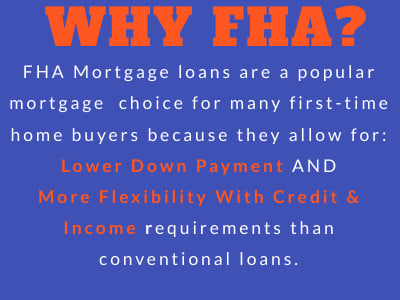
FHA loans are designed to make housing more affordable with lower down payment requirements than conventional loans on purchases and less home equity requirements on refinances. Less stringent qualification guidelines and the security of a government-insured loan makes FHA a popular choice for consumers.
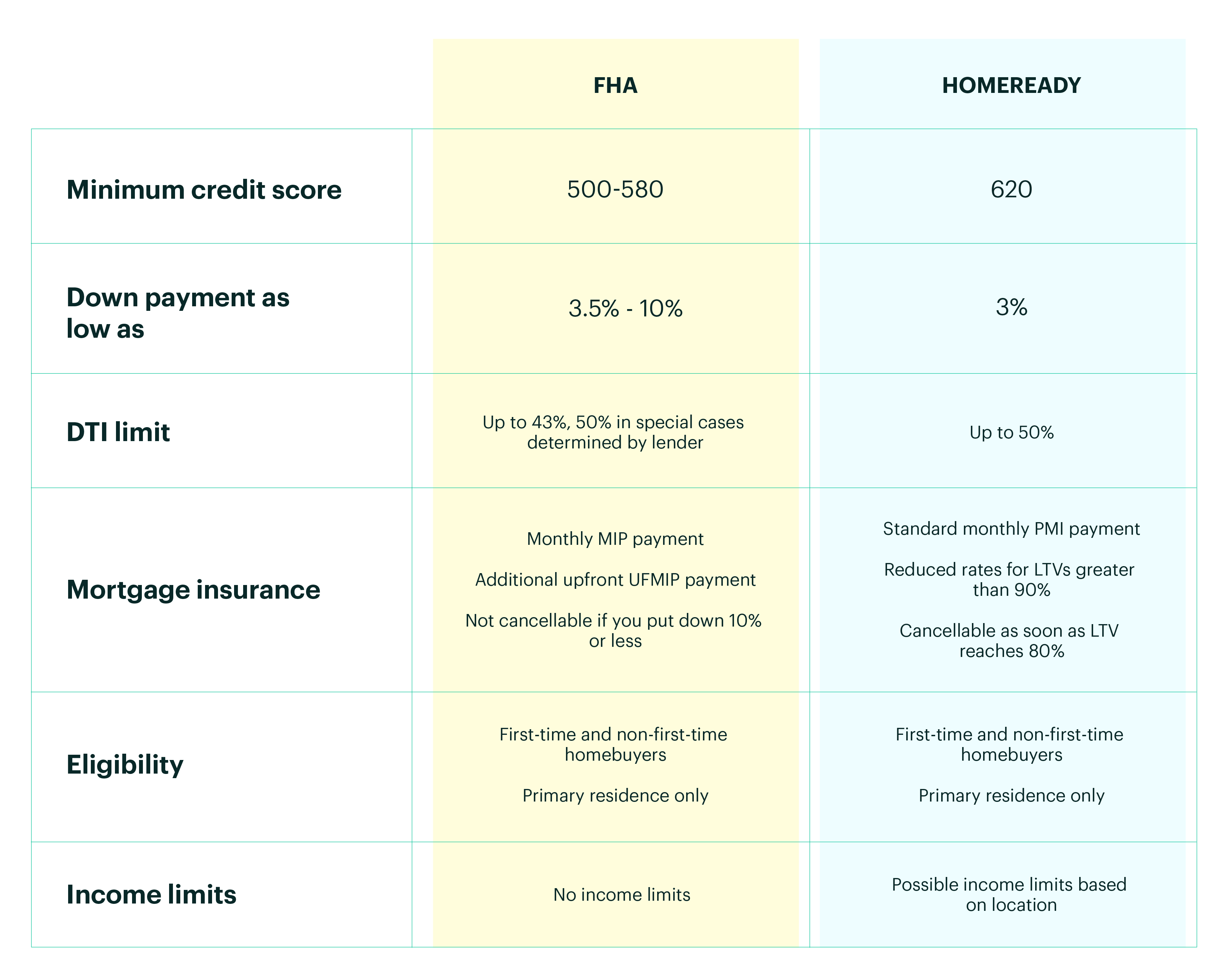
Kentucky FHA Loans with 580 Credit scores and – Low Down Payment – 3.5% which can be gifted from relatives or borrowed off one’s retirement account. If your scores is between 500-579, 10% down needed for home loan and subject to underwriting approval.
Low down payment
500 minimum credit score from 10% down, to 580 above credit score with 3.5% down payment
Can be used with Grants for Down payment through Eligible Sources
Entire Down payment can be a gift, a down payment assistance program or grant funds
Seller can pay 6% of purchase price toward closing costs
Quick guide to checking your credit score for Kentucky FHA loans
If you’re just starting to shop for home mortgages, it pays to know if banks think you have bad credit or not. Here’s how FICO, the main credit score provider in the U.S., breaks down credit scores:
800-plus: Exceptional
740-799: Very good
670-739: Good
580-699: Fair
579 and lower: Poor
Kentucky FHA loans
Kentucky FHA Loan Details
Credit score required
500, but banks have minimum underwriting
standards
Mortgage insurance premiums are paid for the life of the loan,
except when putting 10 percent or more down. If your down payment is
less than 20 percent but 10 percent or more, you must have
mortgage insurance for 11 years.
Quick take
If you have bad credit, an Kentucky FHA loan offers a more accessible mortgage. While credit standards vary by lender, you may qualify for the Kentucky FHA loan with a credit score as low as 500. With a credit score above the 580 threshold, you may qualify for the 3.5 percent down payment.
Unfortunately, an Kentucky FHA loan can be expensive because of mortgage insurance fees. In addition to paying ongoing mortgage premiums for the life of the loan, you’ll have to pay a 1.75 per
Pros:
3.5 percent down payments (for those above the 580 credit-score mark)
Credit scores as low a 500
Can buy up to four units
Cons:
1.75 percent upfront mortgage premium
Ongoing mortgage insurance for life of loan at .85% and .80%
Disclaimer: No statement on this site is a commitment to make a loan. Loans are subject to borrower qualifications, including income, property evaluation, sufficient equity in the home to meet Loan-to-Value requirements, and final credit approval. Approvals are subject to underwriting guidelines, interest rates, and program guidelines and are subject to change without notice based on applicant’s eligibility and market conditions. Refinancing an existing loan may result in total finance charges being higher over the life of a loan. Reduction in payments may reflect a longer loan term. Terms of any loan may be subject to payment of points and fees by the applicant Equal Opportunity Lender. NMLS#57916http://www.nmlsconsumeraccess.org/
The FHA is actually not the lender. They insure the loans that are issued by FHA-approved lenders. FHA loans are gear more toward borrower’s with less than 20% down payment and credit issues in the past.
Qualifying for a FHA Loan Mortgage In Kentucky
Credit Scores and Down Payment Percentages – Each year, the rules for qualifying for these loans changes. For 2020, applicants need a minimum credit score of 580 in order to get the low down payment, which is 3.5 percent.
For those whose credit score is less than 580, they will have to come up with 10 percent for their down payment. This does not guaranteed a mortgage loan approval if you have the certain credit scores, just a the minimum required.
Compensating Factors for FHA loan Approval
The credit score is just one part of the story. The FHA will also evaluate the borrower’s bankruptcies, foreclosures, prior payment history on other debts. They will also want information on difficulties that kept the borrower from making payments on other debts in the past.
Negative strikes against qualifying for the loan include not having any credit history or a bankruptcy.
Someone with a bankruptcy will have to wait for two or more years after their bankruptcy before applying for an FHA-insured loan.
If you have late payments on debt obligations, it is best to wait until you have had a full year of on-time payments before you apply for a FHA-insured loan.
If you have had a foreclosure in the past, you may still be able to get a FHA-insured loan three years after your foreclosure. The lender will be looking at the circumstances behind the foreclosure.
If you have had any civil judgement against you for money owed, collections actions or unpaid/unresolved federal debt, the FHA-approved lender will be required by the FHA to establish that all of these outstanding issues are resolved or paid before you can go through closing.
Watch out for student loans if they are delinquent because sometime this can cause a lien against you in the form of a CAVIRS Alert with HUD
As you can see, many types of borrowers who would not be eligible for a traditional mortgage, or who would face exorbitant interest rates, will be able to qualify for a FHA-insured loan at attractive interest rates.
Your income has to be verifiable in some way, whether that be through pay stubs, your income tax returns. No bank statements or cash deposits , or undocumented income can be used for income qualifying purposes.
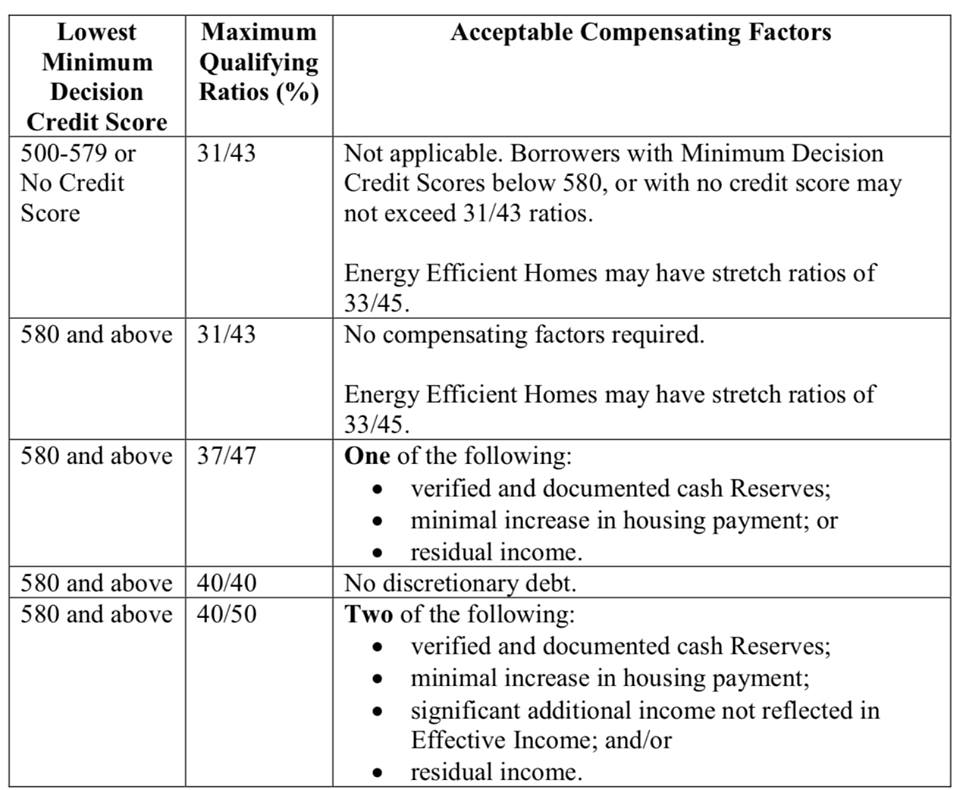
Debt-to-Income Ratio Requirements –
Depending on the automated underwriting system from Desktop Originator, your Debt-to-income ratio is the percentage of your income before taxes that you spend on monthly debt.
Taking into account the proposed mortgage payment as well as the other debts, the FHA requires that these debts all total less than 43 percent of your pretax income in order to qualify for the loan.
If your debt load is too high, you will struggle to pay all of your bills and mortgage expenses and care for yourself and your family.
Property Requirements for a Kentucky FHA Loan
It must be the place where you intend to reside. You must move into the home within 60 days of closing the loan. The home cannot be an investment. There will be an inspection to ensure that the home is safe and habitable.
It is really not too hard to pass FHA loans and the appraisal process.
Pros of FHA Loans –
New homebuyers and those who have lower credit scores or who have other blemishes on their credit history will often qualify for FHA-insured loans.
Even though these borrowers are considered “subprime” to a traditional lender, they will receive attractive interest rates through the FHA-insured mortgage programs.
The down payments required from borrowers are lower than those required by traditional mortgage lenders.
These loans can be combined with other forms of public assistance for lower income or new borrowers so that the borrower will not need to come up with a down payment of any kind.
Cons of FHA Loans –
Since the FHA is not actually the lender, and you have to go through FHA-approved lenders, you may not qualify due to stricter standards that the lender has for the loan.
Because you are not paying 20 percent as a down payment, the FHA requires two mortgage insurance premiums to be paid. One is an upfront premium that is 1.75 percent of the loan amount. Lenders often will allow you to make that mortgage insurance premium a part of your loan. The second is an annual mortgage insurance premium that is .45 percent or 1.05 percent. This premium is paid monthly.
What credit score do I need to qualify for a Kentucky FHA loan is one of the most common questions I hear from Kentucky homebuyers?
The short answer is you must have a minimum credit score of 500 to be eligible for an FHA loan in Kentucky. Anything lower than 500 disqualifies you from consideration for an FHA loan.
There are two sets of credit score requirements for a Kentucky FHA Loan
One important thing to understand is that the Federal Housing Administration (FHA) does not lend money directly to home buyers. You will fill out an application with a regular lender just as you would if you were applying for any other type of mortgage. What the FHA does is ensure your loan to help protect the lender in case you default.
You will be required not only to meet the FHA guidelines to qualify for a loan but also meet any additional qualifications required by the lender. This means there are two sets of requirements you have to meet with your credit score.
1. The first set of requirements comes from the Department of Housing and Urban Development (HUD). HUD oversees the FHA and determines what a borrower’s minimum eligibility requirements will be to obtain an FHA loan.
2. The second set of requirements comes from the mortgage lender. The mortgage lender has the right to add its requirements to those mandated by HUD.
What HUD requires of borrowers to be eligible for an FHA loan
The HUD Handbook 4000.1 includes the official guidelines when it comes to the FHA mortgage insurance program.
It states that in 2020 the Kentucky FHA borrowers with credit scores of 580 or higher are eligible for a 96.5% loan with 3.5% down.
Borrowers with credit scores from 500 to 579 are eligible for a 90% loan with 10% down.
Individuals with credit scores below 500 are not eligible for the FHA program.
What lenders may require of borrowers to be eligible for an Kentucky FHA loan
Lenders have the right to add requirements over and above the minimum requirements of HUD. These additional requirements are called overlays. Your lender may or may not require them.
This is not something that should come as a surprise to you, however. Requiring a credit score of 580 to 620 is not unusual. In addition to your credit score, you must have a manageable debt level that lenders are comfortable with and enough income to repay your loan.
What credit score do I need to qualify for FHA loan?
Each month Ellie Mae, the software company processing more than ⅓ of America’s mortgage loans, publishes an insight report for mortgage trends and standards. One of the things they track is average credit scores. The following is their report for November 2019 which shows what percentage of successful borrowers fall into what credit score ranges.
These percentages show that the majority of borrowers who successfully qualify for FHA loans fall into the 600 to 799 range. While it is true that some successfully qualify in the low range of 500 to 599, you have a much better chance of being approved for a loan with good terms and a low down payment if you fall into the higher range.
For your free credit report and analysis call us today at 502-905-3708 or email us at kentuckyloan@gmail.com
If you are an individual with disabilities who needs accommodation, or you are having difficulty using our website to apply for a loan, please contact us at 502-905-3708.
Disclaimer: No statement on this site is a commitment to make a loan. Loans are subject to borrower qualifications, including income, property evaluation, sufficient equity in the home to meet Loan-to-Value requirements, and final credit approval. Approvals are subject to underwriting guidelines, interest rates, and program guidelines and are subject to change without notice based on applicant’s eligibility and market conditions. Refinancing an existing loan may result in total finance charges being higher over the life of a loan. Reduction in payments may reflect a longer loan term. Terms of any loan may be subject to payment of points and fees by the applicant Equal Opportunity Lender. NMLS#57916http://www.nmlsconsumeraccess.org/
What credit score do I need to qualify for a Kentucky FHA loan is one of the most common questions I hear from Kentucky homebuyers?
The short answer is you must have a minimum credit score of 500 to be eligible for an FHA loan in Kentucky. Anything lower than 500 disqualifies you from consideration for an FHA loan.
There are two sets of credit score requirements for a Kentucky FHA Loan
One important thing to understand is that the Federal Housing Administration (FHA) does not lend money directly to home buyers. You will fill out an application with a regular lender just as you would if you were applying for any other type of mortgage. What the FHA does is ensure your loan to help protect the lender in case you default.
You will be required not only to meet the FHA guidelines to qualify for a loan but also meet any additional qualifications required by the lender. This means there are two sets of requirements you have to meet with your credit score.
1. The first set of requirements comes from the Department of Housing and Urban Development (HUD). HUD oversees the FHA and determines what a borrower’s minimum eligibility requirements will be to obtain an FHA loan.
2. The second set of requirements comes from the mortgage lender. The mortgage lender has the right to add its requirements to those mandated by HUD.
What HUD requires of borrowers to be eligible for an FHA loan
The HUD Handbook 4000.1 includes the official guidelines when it comes to the FHA mortgage insurance program.
It states that in 2020 the Kentucky FHA borrowers with credit scores of 580 or higher are eligible for a 96.5% loan with 3.5% down.
Borrowers with credit scores from 500 to 579 are eligible for a 90% loan with 10% down.
Individuals with credit scores below 500 are not eligible for the FHA program.
What lenders may require of borrowers to be eligible for an Kentucky FHA loan
Lenders have the right to add requirements over and above the minimum requirements of HUD. These additional requirements are called overlays. Your lender may or may not require them.
This is not something that should come as a surprise to you, however. Requiring a credit score of 580 to 620 is not unusual. In addition to your credit score, you must have a manageable debt level that lenders are comfortable with and enough income to repay your loan.
What credit score do I need to qualify for FHA loan?
Each month Ellie Mae, the software company processing more than ⅓ of America’s mortgage loans, publishes an insight report for mortgage trends and standards. One of the things they track is average credit scores. The following is their report for November 2019 which shows what percentage of successful borrowers fall into what credit score ranges.
These percentages show that the majority of borrowers who successfully qualify for FHA loans fall into the 600 to 799 range. While it is true that some successfully qualify in the low range of 500 to 599, you have a much better chance of being approved for a loan with good terms and a low down payment if you fall into the higher range.
For your free credit report and analysis call us today at 502-905-3708 or email us at kentuckyloan@gmail.com
If you are an individual with disabilities who needs accommodation, or you are having difficulty using our website to apply for a loan, please contact us at 502-905-3708.
Disclaimer: No statement on this site is a commitment to make a loan. Loans are subject to borrower qualifications, including income, property evaluation, sufficient equity in the home to meet Loan-to-Value requirements, and final credit approval. Approvals are subject to underwriting guidelines, interest rates, and program guidelines and are subject to change without notice based on applicant’s eligibility and market conditions. Refinancing an existing loan may result in total finance charges being higher over the life of a loan. Reduction in payments may reflect a longer loan term. Terms of any loan may be subject to payment of points and fees by the applicant Equal Opportunity Lender. NMLS#57916http://www.nmlsconsumeraccess.org/
How Credit Scores Impact Kentucky FHA Loan Down Payment Requirements
Kentucky Home Buyers credit scores are one of the largest factors in determining the amount of a down payment for an FHA loan. A credit score of 580 or higher, 3.5 percent is the minimum required for a down payment. Anyone with a credit score of 500 to 579 will have to save 10 percent for a down payment to obtain an FHA loan.
What Are Mortgage Insurance Requirements on Kentucky FHA Loans?
FHA loans are required to pay mortgage insurance premiums, often known as upfront mortgage insurance premiums and monthly annual premiums.
Upfront mortgage insurance premium: 1.75 percent of the loan amount and is paid when the borrower gets the loan. The premium can be rolled into the mortgage.
Annual mortgage insurance premium: 0.45 percent to 1.05 percent, depending on the term of the loan (15 years vs. 30 years), the loan amount and the initial loan-to-value ratio, or LTV. This premium amount is divided by 12 and paid monthly.
For a homeowner who borrows $150,000, this means the upfront mortgage insurance premium would be $2,625 and your annual premium would range from $675 ($56.25 per month) to $1,575 ($131.25 per month), depending on the length of the mortgage.
Unlike traditional mortgage insurance premiums, homeowners are required to pay FHA premiums for the entire term of the mortgage. The only time you can stop paying them is to refinance into a non-FHA loan or to sell the house.
Down Payment Gifts and Rules for Kentucky FHA Loans Kentucky borrowers choose an FHA loan can receive money as a gift to help towards the total amount of the down payment.
There are several rules that homeowners need to keep in mind. Gifts can come from friends, family members, labor unions and employers, according to data from the Department of Housing and Urban Development (HUD).
Even non-profit organizations can provide money for a contribution toward a down payment.
In addition, each state offers various assistance programs for down payments for both FHA buyers in Kentucky lacking the down payment.
Kentucky FHA loan is a mortgage that is insured by the Government agency under Housing and Urban Development that is called FHA or short for Federal Housing Administration. The loan was established for Kentucky Home buyers will very little or no money down home loans with more lenient credit score and income requirements and tends to be more forgiving about credit history with regard to bankruptcy and foreclosures, higher debt to income ratios and job history with limited work history for home buyers will only 2 years work history or less.
The Kentucky FHA home loan program may accept credit scores as low as 580 and require at least a 3.5 percent down payment of the sales price on a purchase. If you have a credit score below 580, then a 10 percent down payment or more may be acceptable some FHA lenders in Kentucky , providing you meet all program guidelines in regards to debt to income ratios, assets, and income requirements . The loan cannot be used for rental properties and does allow for co-signers if they are related.
Remember, these guidelines are set forth by FHA and all lenders do not have to offer these guidelines, to whereas they may a higher credit score or more money down or income restrictions on how much you can qualify for.
In case you had a blemish on your credit report with a bankruptcy, short sale or foreclosure, follow these guidelines.
Kentucky FHA loans requires a passage of two years since the discharge date of a chapter 7 bankruptcy. A chapter 13 bankruptcy may be acceptable after at least 12 months of an on time pay-back period and the borrower has received permission from bankruptcy court to enter the mortgage transaction, and you qualify with the new house payment along with other debts on the credit report.
Three years must pass if you went through a short sale or foreclosure. The date starts when the home was sold, not when you entered the transaction toward foreclosure or short sale period. Sometimes the house will not sell to 1-2 years later after the foreclosure and this is when the passage date starts. Keep this in mind on your next FHA loan pre-approval if you have had a bankruptcy or foreclosure in the past.
FHA loans have two forms of mortgage insurance which protects the lender for any losses suffered if the borrower defaults on the payment. ne is called upfront mortgage insurance premium (UFMIP) which has a rate of 1.75% of the loan amount. The fee can be added to the loan amount or paid in full as part of your closing costs. In addition, FHA loans also have a 0.8-0.85% (of the loan amount) monthly mortgage insurance. In most cases, this mortgage insurance remains for the life of the loan. To eliminate the mortgage insurance, the borrower must refinance the loan into a non-FHA loan program and have 20% equity in the property.
In addition to the down payment requirements on a FHA loan, they’re closing costs and prepaids to pay at closing. The seller can contribute up to 6% of the sales price to help the buyer with closing costs and prepaid expenses. Closing costs vary from lender to lender and your prepaids would be the same no matter which lender you choose because this is a function of the property ‘s home insurance premium quote you obtain and the property tax bill on the home set by PVA.
Sometimes the lender can pay a credit toward these expenses at closing with a lender credit which lets the lender credit back to you with a higher rate to reduce the costs of the loan’s costs at closing for out of pocket expenses.
All Kentucky FHA loans are assumable, which means that when the homeowner sells a home, the buyer may be able to take on the existing loan and terms (e.g.: balance, rate and remaining loan amount). Of course, anyone interested in the assumable loan feature must go through the approval process (credit check, income verification) with the current lender on the property. This is a very rare occurrence because most sellers are going to sell the home for more than they owe on it.
The view and opinions stated on this website belong solely to the authors, and are intended for informational purposes only. The posted information does not guarantee approval, nor does it comprise full underwriting guidelines. This does not represent being part of a government agency. The views expressed on this post are mine and do not necessarily reflect the view of my employer. Not all products or services mentioned on this site may fit all people. NMLS ID# 57916, (www.nmlsconsumeraccess.org). USDA Mortgage loans only offered in Kentucky.
All loans and lines are subject to credit approval, verification, and collateral evaluation
FHA stands for the Federal Housing Administration which is a government agency created to increase home-ownership across the United States all the way back in 1934. The agency itself doesn’t offer home loans but insures loan that are offered by private lenders (i.e. mortgage companies).
It’s important to understand the different types of loan programs available to you and what benefits and drawbacks there are to each type.
For example, if you’re looking to find a fixer upper this may not be the right loan program for you. But an FHA loan may be a better fit for you if you have little cash saved up for a down payment or if you don’t have a high credit score.
No age limit. just must be 18 years of age to apply.
Must occupy the home as a primary residence, no rental homes or investment property
An appraisal must be done by an FHA-approved appraiser.Typically FHA appraisal in Kentucky costs anywhere from low-end $325 to $525 with most FHA lenders in KY.
Home inspection is not required
Termite inspection not required
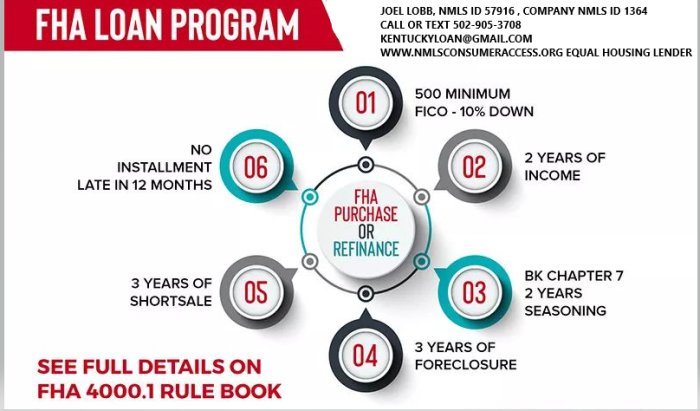
2 years removed from Chapter 7 bankruptcy, and 1 year in Chapter 13 bankruptcy is possible to get a loan while in bankruptcy
Foreclosure or short sale on previous home mortgage requires 3 years removal from those dates.
Mortgage insurance (MIP) is required
Upfront Mortgage Insurance Premium is 1.75% and monthly mortgage insurance is .85% or .80% depending on loan term and loan to value.
Mortgage insurance is for life of loan.
No matter your credit scores, everyone pays the same mortgage insurance premiums.
Must have 2 years of employment history proving a reliable source of income
500 FICO score requirement with at least 10% down payment
580 FICO score requirement with at least 3.5% down payment
Gifts and down payment assistance programs are allowed to meet your down payment requirements. Cannot come from seller, but seller can contribute up to 6% of the sales price toward buyer’s closing costs and prepaids.
Student loan payments are factored into the debt-to-income ratio when applying. Typically if loans are deferred, or in an income=based repayment plan, the FHA underwriters will use 1% of the outstanding balance, which sometimes can make it difficult to qualify.
Your debt-to-income ratio must not be higher than 31% or total debt obligation cannot be higher than 43% of your current income. This is for a manual underwriter, meaning that if the AUS underwriting system by mortgage lenders will approve you for a higher debt to income ratio, that is fine.
If you are an individual with disabilities who needs accommodation, or you are having difficulty using our website to apply for a loan, please contact us at 502-905-3708.
Disclaimer: No statement on this site is a commitment to make a loan. Loans are subject to borrower qualifications, including income, property evaluation, sufficient equity in the home to meet Loan-to-Value requirements, and final credit approval. Approvals are subject to underwriting guidelines, interest rates, and program guidelines and are subject to change without notice based on applicant’s eligibility and market conditions. Refinancing an existing loan may result in total finance charges being higher over the life of a loan. Reduction in payments may reflect a longer loan term. Terms of any loan may be subject to payment of points and fees by the applicant Equal Opportunity Lender. NMLS#57916http://www.nmlsconsumeraccess.org/
— Some products and services may not be available in all states. Credit and collateral are subject to approval. Terms and conditions apply. This is not a commitment to lend. Programs, rates, terms and conditions are subject to change without notice. The content in this marketing advertisement has not been approved, reviewed, sponsored or endorsed by any department or government agency. Rates are subject to change and are subject to borrower(s) qualification.
If you have public student loans in collections, you really have three options to resolve it so it is not a CAIVRS issue.
1. Pay it off in full – Not typically an option because very rarely do the clients have the funds to do so.
2. Consolidation – Only takes about 90 days to consolidate and resolve CAIVRS issues. However, you push forward the last activity dates, DLA, and also introduce a new credit trade line that dilutes the length of the credit history. So you will normally see a drop in credit score.
3. Rehabilitation – It is the slowest of all the options, but is the best thing for the clients’ credit scores. It is a 9 month commitment and once the client makes 9 consecutive payments, they will change the collection status to a good standing status. This will typically net a 40-100 point boost in the score depending on how many other collections are on the credit report.
If your client does not know who is servicing the student loan, they can contact the Student Loan Default Resolution Team at 1-800-621-3115 or visit the website at myeddebt.ed.gov
Bonus Tip: Private student loans do not adhere to consolidation or rehabilitation rules. If the client has private student loans in collections they will need to pay them off in full, or they will need to set up a payment plan on them. They will still remain in collections with a payment, but if you can get a qualified credit score you can push forward the loan including the liability payment towards the debt to income ratio.
As always, we bring you the best content so you can do what you do best, CLOSE LOANS! If you aren’t already sending us every credit challenged borrower you have, what is stopping you?
Guidelines for KY FHA, VA, USDA and VA Mortgage loans with Student Loans on A Credit Report:
Kentucky Fannie Mae or Conventional Guidelines for Student Loans:
If a monthly payment is on the credit report, the lender may use that amount for qualifying purposes.
If a monthly payment is on the credit report is incorrect, the lender may use the monthly payment on the most recent student loan statement
If the monthly payment on the credit report is zero, the lender must use one of the following options to calculate the payment for qualifying purposes
Document the borrower is on an income driven payment plan and the actual monthly payment is zero
Use 1% of the outstanding student loan balance as the monthly payment
Calculate a fully amortized payment using documented loan repayment terms
Kentucky FHA Mortgage Loans Guidelines:
Regardless of the payment status (currently in payment or deferred), the lender must use either:
The greater of:
1% of the outstanding balance; or
The monthly payment reported on the credit; or
Calculate a fully amortized payment using documented loan repayment terms
Kentucky USDA or Rural Housing Guidelines:
Regardless of the payment amount reporting on the credit, the lender must include the payment as follows:
A permanent amortized, fixed payment may be used in the debt ratio when the lender retains documentation to verify the payment is fixed, the interest rate is fixed, and the repayment term is fixed.
Payments for deferred loans, Income Based Repayment (IBR), Graduated, Adjustable, and other types of repayment agreements which are not fixed cannot be used in the total debt ratio calculation. One percent of the loan balance reflected on the credit report must be used as the monthly payment. No additional documentation is required.
Kentucky VA Mortgage Guidelines for Student Loan:
If the borrower can document the student loan will be deferred 12 months from the closing date, the monthly payment does not need to be considered
If a student loan is in repayment or scheduled to begin repayment within 12 months from the closing date, the threshold payment amount must be calculated by using 5% of the loan balance divided by 12 months
If the payment reporting on the credit report is greater than the threshold payment calculation amount, then the credit report payment must be used for ratios.
If the payment reporting on the credit report is less than the threshold payment calculation and the lender is using the lower payment to qualify the borrower then:
A statement from the student loan servicer reflecting the actual loan terms and payment information must be included in the file.
The statement must be dated within 60 days of closing
It is the underwriter’s discretion to use the lower payment
As you can see, Fannie Mae or Conventional loans is the most lenient when it comes to qualifying for a mortgage loan with someone that has a lot of student loans on their credit report.
Kentucky FHA Loan Changes for FICO Scores and Credit Scores for 2019
Last week, the Federal Housing Administration took steps to mitigate risks to its single-family portfolio, announcing updates to its TOTAL Mortgage Scorecard that may flag some loans for manual underwriting.
The change applies to all loans with case numbers assigned on or after March 18th, meaning that it is likely to affect some of the loans currently sitting in an FHA lender’s pipeline.
Chatter among members of the lending community suggests a number of originators are unhappy about the changes, fearing that the end result may be that some of their borrowers will be shut out of FHA financing.
Some said the FHA did not go about implementing the changes the right way, creating confusion about how the risk is being mitigated, while others said they felt as if the rug had been pulled out from under them, and fear that borrowers who no longer qualify will be angry, according to email exchanges between lenders and mortgage brokers, shared with HousingWire.
For its part, the FHA said it is taking necessary steps to address some of the risk trends apparent in its single-family portfolio and flagged as concerning in its 2018 Report to Congress.
Specifically, FHA loans have seen a substantial increase in cash-out refinances, a drop in the average borrower credit score, and an increase in borrowers with high debt-to-income ratios.
In its letter about the Scorecard updates, the FHA said that the number of FHA refinances that are cash-outs increased 60% in 2018, and that almost a quarter of all FHA loans in 2018 had a DTI ratio above 50%.
The average credit scores for FHA borrowers has also declined, falling to 670 in 2018 – the lowest average since 2008.
Combined, these factors are signaling untenable risk for the agency as they flag the potential for the program to drain the Mutual Mortgage Insurance Fund.
“Federal Housing Commissioner Montgomery has publicly stated numerous times in recent months that FHA must seek the right balance between managing risk and fulfilling its mission of supporting sustainable home-ownership,” the FHA said in its letter.
“To be successful long term, FHA must maintain the integrity of its insurance endorsements,” it continued. “This includes assessing the causes of the increase in higher-risk credit characteristics in the portfolio and making prudent and necessary changes to re calibrate and adjust its policies as warranted to manage credit risk.”
The agency said the updates to its Scorecard are just the first step it will be taking to address these risk factors.
“FHA will carefully monitor the impact of this change and is preparing to implement additional changes to maintain a better balance of managing risk and fulfilling its mission,” the agency stated.
I can answer your questions and usually get you pre-approved the same day. Call or Text me at 502-905-3708 with your mortgage questions. Email Kentuckyloan@gmail.com
ARE YOU CURRENTLY IN A CHAPTER 13 BANKRUPTCY OR HAD A CHAPTER 7 BANKRUPTCY IN THE PAST?
Qualifying For A Kentucky Mortgage After Bankruptcy
Home Buyers can qualify for a Kentucky mortgage after bankruptcy:
2 year waiting period to qualify for FHA Loan to qualify for a FHA Loans after discharge of Chapter 7.
One year into a Chapter 7 Bankruptcy to qualify for a Chapter Loan into a Chapter 13 Bankruptcy repayment plan.
No waiting period after a Chapter 13 Bankruptcy discharge date.
4 year waiting period to qualify for a Chapter 7 Bankruptcy discharge date to qualify for a Conventional Loan.
Two year waiting period to qualify for a Chapter 13 after Chatper 13 discharged date to qualify for a Conventional Loan.
Four year waiting period to qualify for a Conventional Loan if you had a mortgage part of bankruptcy but the foreclosure needs to be be finalized
Joel Lobb (NMLS#57916)
Senior Loan Officer
American Mortgage Solutions, Inc.
10602 Timberwood Circle Suite 3
Louisville, KY 40223
Company ID #1364 | MB73346
Text/call 502-905-3708
kentuckyloan@gmail.com
Disclaimer: No statement on this site is a commitment to make a loan. Loans are subject to borrower qualifications, including income, property evaluation, sufficient equity in the home to meet Loan-to-Value requirements, and final credit approval. Approvals are subject to underwriting guidelines, interest rates, and program guidelines and are subject to change without notice based on applicant’s eligibility and market conditions. Refinancing an existing loan may result in total finance charges being higher over the life of a loan. Reduction in payments may reflect a longer loan term. Terms of any loan may be subject to payment of points and fees by the applicant Equal Opportunity Lender.















 Kentucky FHA Mortgage Lender