Here is a brief summary on getting a mortgage loan while in a Chapter 13 Bankruptcy:
You must have 12 payments paid into the Chapter 13 before you can apply for a mortgage loan.
The payments must be made on time for last 12 months or after 12 months if you have been in longer, so no late payments to the Chapter 13 while in it.
You have to ask permission from the courts to seek a mortgage loan. They usually grants this. I have never not seen them grant it.
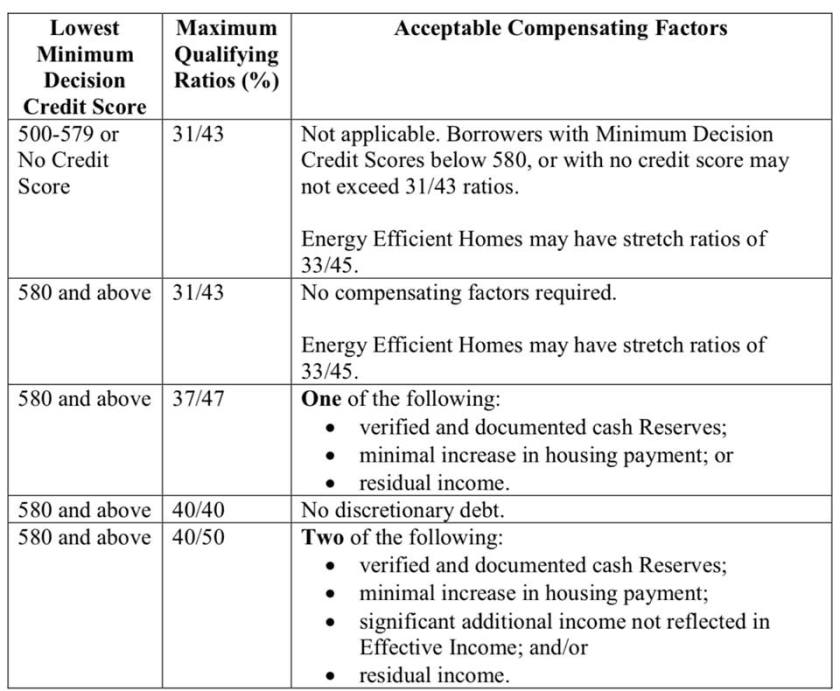
You have to qualify with the new house payment along with Chapter 13 payments and other debts listed on credit report. Debt to income ratios usually center around 31 and 43% respectively, meaning the new house payment should not be more than 31% of your gross monthly income and your total house payment and debts listed on credit report along with Chapter 13 payment should not be more than 43% of your total gross monthly income.
Credit scores: Most FHA lenders I work with will want a 620 middle score. You have three fico scores from Experian, Equifax, and Transunion, and they throw out the high and low score and take middle score. For example, if you had a 598, 679, and 590 scores respectively for all three bureaus listed above, your qualifying score would be 598.
There are some FHA investors that I am set up with that will go down to 580, but I have seen in my past experiences 620 will get you a better deal and far greater chance of closing on your loan with FHA.
Down payment: For FHA loans, you will need to have at least 3.5% down payment saved up. It is extremely hard to find a no money down loan program to get you approved for a mortgage while you are in a Chapter 13 plan.
FHA and USDA are really the only two options that I know of that offer financing for a borrower with a current Chapter 13 Bankruptcy plan plan, so keep that in mind.
Conventional loan program offered by Fannie Mae will not allow a mortgage loan for someone in a Chapter 13 Bankruptcy plan.
On USDA loans, it is possible to get 100% Financing after you have paid into the plan for 12 months with a good pay history. The credit scores needed for a USDA loan approval really need to be above 640 in my past experience in getting them approved. A lot of USDA lenders will say they will do down to 620, but it is very difficult getting them approved. Best to get your scores up to increase your changes in qualifying for a USDA loan. There is not much that difference in getting your scores up to that range if you are at a 620 score now.
With USDA loans, they have income and property eligibility requirements that FHA does not have, so below is a rough run down of FHA vs USDA loan for you:
Typically, USDA-eligible properties are located in rural areas. It is a mistake, however, to think that you have to live far out in the country to qualify for a USDA loan. USDA-eligible properties are often located near urban areas.
A property’s eligibility is determined by its location with respect to USDA’s map of eligible locations. The USDA program also places limits on your household income based on median earnings in an area. If you exceed that limit, you can’t obtain a USDA loan.
The FHA, by contrast, does not place limits on household earnings. The FHA, however, does establish a maximum limit on the amount of money that can be borrowed through the program.
So if you were in a hurry to buy, after you have been in your Chapter 13 plan for 12 months, I can look at getting you approved to buy a home if you wish:
How to Get Approved for a Kentucky Mortgage While in A Chapter 13 Bankruptcy:
If you have questions about qualifying as first time home buyer in Kentucky, please call, text, email or fill out free prequalification below for your next mortgage loan pre-approval.
This web site is not the FHA, VA, USDA, HUD or any other government organization responsible for managing, insuring, regulating or issuing residential mortgage loans.
All approvals and rates are not guaranteed, and are only issued based on standard mortgage qualifying guidelines
Remember, we are even available this weekend for pre-qualifications or questions. Call our cell phone or email us. If you miss us, leave a message and we WILL call you back
Chapter 13 bankruptcy can impact your ability to qualify for various mortgage loan programs like FHA, VA, USDA, and Fannie Mae.
Chapter 13 bankruptcy can impact your ability to qualify for various mortgage loan programs like FHA, VA, USDA, and Fannie Mae. Here are the details for each program regarding waiting times, credit score requirements, down payment, and qualification criteria after a Chapter 13 bankruptcy:
FHA Loan after Chapter 13 Bankruptcy:
Waiting Time: Typically, you’ll need to wait at least two years after the discharge date of your Chapter 13 bankruptcy before applying for an FHA loan.
Credit Score: FHA loans are known for their flexibility with credit scores. While there’s no specific minimum score, a higher score (usually around 580 or above) can help you qualify for better terms.
Down Payment: The down payment requirement for an FHA loan after Chapter 13 bankruptcy is relatively low, usually starting at 3.5% of the purchase price.
Qualification with Chapter 13 Bankruptcy: To qualify, you must demonstrate that you’ve made all Chapter 13 payments on time for at least one year and receive approval from the bankruptcy court to take on new debt.
VA Loan after Chapter 13 Bankruptcy:
Waiting Time: The waiting time for a VA loan after Chapter 13 bankruptcy is generally two years from the discharge date.
Credit Score: VA loans also have flexible credit score requirements, with many lenders looking for scores around 620 or higher.
Down Payment: VA loans are known for offering zero-down financing, but eligibility depends on your military service record and whether you’ve used your VA loan benefits before.
Qualification with Chapter 13 Bankruptcy: Similar to FHA, you’ll need to demonstrate a consistent payment history under your Chapter 13 plan and receive approval from the bankruptcy court.
USDA Loan after Chapter 13 Bankruptcy:
Waiting Time: USDA loans typically require a waiting period of three years from the discharge date of your Chapter 13 bankruptcy.
Credit Score: While there’s no official minimum credit score, most lenders look for scores of 640 or higher for USDA loans.
Down Payment: USDA loans offer low to no down payment options, making them attractive for eligible borrowers in rural areas.
Qualification with Chapter 13 Bankruptcy: You’ll need to show that you’ve been making timely payments under your Chapter 13 plan for at least one year and obtain approval from the bankruptcy court.
Fannie Mae Loan after Chapter 13 Bankruptcy:
Waiting Time: Fannie Mae typically requires a waiting period of two years from the discharge date of your Chapter 13 bankruptcy.
Credit Score: Fannie Mae loans often have stricter credit score requirements compared to FHA, VA, and USDA loans. A score of around 620 or higher is generally needed.
Down Payment: Down payment requirements vary based on the type of Fannie Mae loan you apply for, but they can range from 3% to 20%.
Qualification with Chapter 13 Bankruptcy: You’ll need to demonstrate responsible financial management after bankruptcy, including rebuilding your credit and showing a stable income.
In all cases, it’s essential to work with a knowledgeable mortgage broker like Joel Lobb, who can guide you through the specific requirements and help you navigate the loan application process after a Chapter 13 bankruptcy.
Joel Lobb Mortgage Loan Officer NMLS 57916
EVO Mortgage 911 Barret Ave, Louisville, KY 40204 Company NMLS ID # 173846
The view and opinions stated on this website belong solely to the authors, and are intended for informational purposes only. The posted information does not guarantee approval, nor does it comprise full underwriting guidelines. This does not represent being part of a government agency. The views expressed on this post are mine and do not necessarily reflect the view of my employer. Not all products or services mentioned on this site may fit all people. NMLS ID# 57916, (www.nmlsconsumeraccess.org).
The requirements for Kentucky FHA loans are set by HUD.
Borrowers must have a steady employment history of the last two years within the same industry or line of work. Recent college graduates can use their transcripts to supplant the 2-year work history rule as long as it makes sense.
Self-Employed will need a 2-year history of tax returns filed with IRS. They will take a 2-year average.
FHA requires a 3.5% down payment. Can be gifted from a family member or from a retirement savings plan, or money saved up. Any type of cash deposits is not allowed for down payments. No exceptions to this rule!! This is one of the biggest issues I see in FHA underwriting nowadays.
FHA loans are for primary residence occupancy. Not rental houses.
Borrowers must have a property appraisal from an FHA-approved appraiser.
Borrowers’ front-end ratio (mortgage payment plus HOA fees, property taxes, mortgage insurance, homeowners insurance) needs to be less than 31 percent of their gross income, typically. You may be able to get approved with as high a percentage as 43 percent. If the Automated Underwriting System gives you an Approved Eligible you can go higher on the debt ratios
Borrowers must have a minimum credit score of 580 for maximum financing with a 3.5% down payment
Borrowers must have a minimum credit score of 500-579 for maximum LTV of 90 percent with a minimum down payment of 10 percent. Most lenders will not go below 580 to 620 score, and very few lenders will go to 580 score. It’s best to work on getting your scores up before you apply or work with a loan officer to improve them.
2 years removed from Chapter 7 is required with good pay history after bankruptcy
1 year removed from Chapter 13 is okay with an excellent pay history with the Chapter 13 plan and permission from the trustee. You will need to qualify with the Chapter 13 payment along with a new house payment. Again, scores will play into your loan pre-approval.
Typically borrowers must be three years out of foreclosure and have re-established good credit. Exceptions can be made if there were extenuating circumstances and you’ve improved your credit. If you were unable to sell your home because you had to move to a new area, this does not qualify as an exception to the three-year foreclosure guideline.
The property must be safe, sound and secure, in compliance with minimum property standards as defined by the U.S. Department of Housing and Urban Development, or HUD.
You may not have delinquent federal debt or judgments, or debt associated with past FHA loans. Caivrs Alert System will show up if you owe the government money.
Why Lenders Use CAIVRS
It is true that your CAIVRS report can help lenders to predict the risk of doing business with you, just like a traditional consumer credit report. But the primary reason lenders check your CAIVRS report is because they are generally required to do so for any applications that involve a federal loan (FHA, VA, USDA, SBA, etc.). Lenders are required to conduct a CAIVRS search because of Title 31 of the United States Code (Section 3720B) bars “delinquent federal debtors from obtaining federal loans or loan insurance guarantees.”
Kentucky FHA Loan Requirements for 2023
Gift Rules for Down-Payment Sources Guidelines on FHA Mortgage ProgramsOne of the biggest obstacles to buying a home for Americans is the down payment. There was a time when you needed a 20% down payment and a high credit score to buy a home. But in 2022, you can buy a home with average to below-average credit and low down payment in some cases. One of the most popular loan programs for these buyers if the FHA loan. A major advantage of the FHA mortgage loan is you can get approved with only a 3.5% down payment with a 580 or higher credit score. If you have a lower score than that, you need a 10% down payment.Still, there are situations where the borrower is having trouble coming up with the down payment for the loan. What to do then? FHA guidelines do allow other options. Keep reading to learn more.More on FHA Down Payments and Approved SourcesAs we noted above, you are required to have at least a 3.5% down payment to be approved for an FHA loan. The money must be verified by the FHA-approved lender to come from an ‘approved source.’ What is an approved source, anyway? Most people get their down payment from cash reserves, investments, borrow from 401k or IRA, etc. The idea behind verifying where the money came from is to make sure the borrower did not get the down payment from a credit card or payday loan, etc.But there are other options for your down payment. The funds also can come from a gift. The gift and the giver do need to meet FHA requirements, but this flexible guideline makes it possible to get into an FHA loan with, technically, zero money down. To determine if the down payment gift can be used or not, it is necessary to check HUD rules. According to HUD 41.55.1 Chapter 5 Section B, for the funds to be a gift, there cannot be any expected repayment of the money.Also, FHA will scrutinize the giver of the gift. Chapter 5 of the HUD Code states the cash gift is OK if it comes from your relative; employer or labor union; close friend with a defined interest in you; charitable organization; government agency or public entity.FHA also states who cannot give gift funds to you for the down payment. These are the seller; the real estate agent or broker on the deal; the builder or an associated entity.Gift Terms ExplainedThe gift for your down payment cannot be made based upon paying it back later. You are required to get a gift letter from the person or organization. The letter should state that you are not required to pay the money back. It also should provide the contact information for the borrower, such as name, address, and phone number. Also included should be the bank account from which the funds will be sent.The gift donor should be OK with giving a bank statement with the letter. Also, he or she should ensure that the transfer amount matches what is in the gift letter and what is deposited into your account.FHA rules are very specific on these areas to ensure that the home buying process through FHA is fair and just. But as long as you follow the FHA rules, you should be able to get help with your down payment from a friend or relative.Don’t Have Friends or Family Who Can Help?Not every borrower has friends or family who can give them a gift for their down payment. But HUD lists many government programs spread throughout the country in most states that can offer down payment and closing cost help for certain borrowers.It also is worth checking if your employer and state have employer-assisted housing. This program can help people with moderate incomes to get a loan to cover closing costs and down payment. Look up FHA in your state on Google to see what is available.The FHA is actually not the lender. They insure the loans that are issued by FHA-approved lenders. FHA loans are gear more toward borrower’s with less than 20% down payment and credit issues in the past.Qualifying for a FHA Loan Mortgage In KentuckyCredit Scores and Down Payment Percentages – Each year, the rules for qualifying for these loans changes. For 2022, applicants need a minimum credit score of 580 in order to get the low down payment, which is 3.5 percent.For those whose credit score is less than 580, they will have to come up with 10 percent for their down payment. This does not guaranteed a mortgage loan approval if you have the certain credit scores, just a the minimum required.Compensating Factors for FHA loan ApprovalThe credit score is just one part of the story. The FHA will also evaluate the borrower’s bankruptcies, foreclosures, prior payment history on other debts. They will also want information on difficulties that kept the borrower from making payments on other debts in the past.https://www.youtube.com/embed/iM74Gt0GmMI?version=3&rel=1&showsearch=0&showinfo=1&iv_load_policy=1&fs=1&hl=en&autohide=2&wmode=transparentNegative strikes against qualifying for the loan include not having any credit history or a bankruptcy.Someone with a bankruptcy will have to wait for two or more years after their bankruptcy before applying for an FHA-insured loan.If you have late payments on debt obligations, it is best to wait until you have had a full year of on-time payments before you apply for a FHA-insured loan.If you have had a foreclosure in the past, you may still be able to get a FHA-insured loan three years after your foreclosure. The lender will be looking at the circumstances behind the foreclosure.If you have had any civil judgement against you for money owed, collections actions or unpaid/unresolved federal debt, the FHA-approved lender will be required by the FHA to establish that all of these outstanding issues are resolved or paid before you can go through closing.Watch out for student loans if they are delinquent because sometime this can cause a lien against you in the form of a CAVIRS Alert with HUDAs you can see, many types of borrowers who would not be eligible for a traditional mortgage, or who would face exorbitant interest rates, will be able to qualify for a FHA-insured loan at attractive interest rates.Employment and Income for a Kentucky FHA LoanYou must have an employment history that is steady for the last two years. Does not have to be same employer.Your income has to be verifiable in some way, whether that be through pay stubs, your income tax returns. No bank statements or cash deposits , or undocumented income can be used for income qualifying purposes.Debt-to-Income Ratio Requirements –Depending on the automated underwriting system from Desktop Originator, your Debt-to-income ratio is the percentage of your income before taxes that you spend on monthly debt.Taking into account the proposed mortgage payment as well as the other debts, the FHA requires that these debts all total less than 43 percent of your pretax income in order to qualify for the loan.If your debt load is too high, you will struggle to pay all of your bills and mortgage expenses and care for yourself and your family.Property Requirements for a Kentucky FHA LoanIt must be the place where you intend to reside. You must move into the home within 60 days of closing the loan. The home cannot be an investment. There will be an inspection to ensure that the home is safe and habitable.It is really not too hard to pass FHA loans and the appraisal process.Pros of FHA Loans –
New homebuyers and those who have lower credit scores or who have other blemishes on their credit history will often qualify for FHA-insured loans.
Even though these borrowers are considered “subprime” to a traditional lender, they will receive attractive interest rates through the FHA-insured mortgage programs.
The down payments required from borrowers are lower than those required by traditional mortgage lenders.
These loans can be combined with other forms of public assistance for lower income or new borrowers so that the borrower will not need to come up with a down payment of any kind.
Cons of FHA Loans –
Since the FHA is not actually the lender, and you have to go through FHA-approved lenders, you may not qualify due to stricter standards that the lender has for the loan.
Because you are not paying 20 percent as a down payment, the FHA requires two mortgage insurance premiums to be paid. One is an upfront premium that is 1.75 percent of the loan amount. Lenders often will allow you to make that mortgage insurance premium a part of your loan. The second is an annual mortgage insurance premium that is .45 percent or 1.05 percent. This premium is paid monthly.
FHA FINANCINGCREDIT REQUIREMENTS FOR KENTUCKY FHA FINANCINGWhat credit score do I need to qualify for a Kentucky FHA loan is one of the most common questions I hear from Kentucky homebuyers?The short answer is you must have a minimum credit score of 500 to be eligible for an FHA loan in Kentucky. Anything lower than 500 disqualifies you from consideration for an FHA loan.There are two sets of credit score requirements for a Kentucky FHA LoanOne important thing to understand is that the Federal Housing Administration (FHA) does not lend money directly to home buyers. You will fill out an application with a regular lender just as you would if you were applying for any other type of mortgage. What the FHA does is ensure your loan to help protect the lender in case you default.You will be required not only to meet the FHA guidelines to qualify for a loan but also meet any additional qualifications required by the lender. This means there are two sets of requirements you have to meet with your credit score.1. The first set of requirements comes from the Department of Housing and Urban Development (HUD). HUD oversees the FHA and determines what a borrower’s minimum eligibility requirements will be to obtain an FHA loan.2. The second set of requirements comes from the mortgage lender. The mortgage lender has the right to add its requirements to those mandated by HUD.What HUD requires of borrowers to be eligible for an FHA loanThe HUD Handbook 4000.1 includes the official guidelines when it comes to the FHA mortgage insurance program.Borrowers with credit scores from 500 to 579 are eligible for a 90% loan with 10% down.Individuals with credit scores below 500 are not eligible for the FHA program.What lenders may require of borrowers to be eligible for an Kentucky FHA loanLenders have the right to add requirements over and above the minimum requirements of HUD. These additional requirements are called overlays. Your lender may or may not require them.This is not something that should come as a surprise to you, however. Requiring a credit score of 580 to 620 is not unusual. In addition to your credit score, you must have a manageable debt level that lenders are comfortable with and enough income to repay your loan.
Joel Lobb (NMLS#57916) Senior Loan OfficerAmerican Mortgage Solutions, Inc.10602 Timberwood Circle Suite 3Louisville, KY 40223Company ID #1364 | MB73346 Text/call 502-905-3708 kentuckyloan@gmail.com
Types of Kentucky Mortgage Loans to Consider After Bankruptcy
If you want to try to get a Kentucky mortgage after bankruptcy, you can research a number of different types of loans. Each mortgage loan has its own unique requirements for bankruptcy filers.
Kentucky FHA Loans
Federal Housing Administration (FHA) loans are managed by the federal government and may allow you to buy a house with a down payment that’s as little as 3.5% of the purchase price. The downfall of FHA loans, however, is that you’ll have to pay for mortgage insurance, which will result in higher monthly payments.
To get a mortgage after bankruptcy using an FHA loan, you’ll have to adhere to these waiting periods:
Chapter 7: Two years from your discharge date
Chapter 11: No waiting period
Chapter 13: One year from your discharge date
Kentucky USDA Loans
U.S. Department of Agriculture (USDA) loans are designed for rural borrowers who meet certain income requirements. It may be a good option if you’d like to buy a house in a rural area, have a low or modest income, and aren’t eligible for a conventional loan. If you go this route, you may not have to put any money down and you may be able to secure a low interest rate.
If you’re a veteran or currently serving in the military, you may be eligible for a Department of Veterans Affairs (VA) loan. A VA loan doesn’t require a down payment or charge private mortgage insurance and can give you the chance to lock in a low interest rate. If you pursue a VA loan, however, you’ll have to pay a funding fee, which will be a percentage of your home price.
Here are the waiting requirements you should be aware of if you’d like to get a VA loan after bankruptcy:
Chapter 7: Two years from your discharge date
Chapter 11: No waiting period
Chapter 13: One year from your discharge date
Kentucky Conventional Loans
Since conventional loans are not guaranteed or insured by government agencies, you can expect stricter requirements, such as having a good credit score, if you apply for one. If you get a conventional loan and put down less than 20% of the cost of your new home, you’ll need to pay private mortgage insurance.
The waiting requirements for taking out a conventional loan after bankruptcy are as follows:
Chapter 7: Four years from your discharge date
Chapter 11: Four years from your discharge date
Chapter 13: Two years from your discharge date or four years from your dismissal date
Chapter 7 Bankruptcy
A four-year waiting period is required, measured from the discharge or dismissal date of the bankruptcy action until the application date.
Chapter 13 Bankruptcy two years from the discharge date to the application date, or four years from the dismissal date to the application date.
The shorter waiting period based on the discharge date recognizes that borrowers have already met a portion of the waiting period within the time needed for the successful completion of a Chapter 13 plan and subsequent discharge.
A borrower who was unable to complete the Chapter 13 plan and received a dismissal will be held to a four-year waiting period.
Exceptions for Extenuating Circumstances
A two-year waiting period is permitted after a Chapter 13 dismissal, if extenuating circumstances can be documented. There are no exceptions permitted to the two-year waiting period after a Chapter 13 discharge.
Foreclosure / Short Sale
A seven-year waiting period is required. In all instances, the “date of foreclosure” is considered the date of the foreclosure deed. The end date of the waiting period is the application date.
Foreclosure / Short Sale – Extenuating Circumstance A three-year waiting period is permitted if extenuating circumstances can be documented. Additional requirements apply between three and seven years, which include:
FHA Loan Guidelines for Bankruptcy and Foreclosure
Chapter 7
Chapter 7 bankruptcy discharged more than 24 months prior to the application date may be allowed.
Chapter 7 bankruptcy discharged between 12 and 24 months prior to the application date requires satisfactorily established credit and documentation showing the circumstances which caused the bankruptcy were beyond the borrower’s control (i.e. unemployment, medical bills not covered by insurance). In these instances, the file must be manually downgraded to a refer and manually underwritten. It falls upon the underwriter to make a final determination as to the overall quality of the file.
Chapter 7 bankruptcy discharged less than 12 months prior to the application date is not allowed.
Chapter 13
Loans where the borrower is currently in a Chapter 13 bankruptcy or had a Chapter 13 bankruptcy which was discharged within the previous 2 years require manual downgrade and must be underwritten manually. Note that manual underwrites require Underwriting Management approval.
A borrower who is currently in a Chapter 13 bankruptcy may be eligible for FHA financing provided all of the following conditions are met in addition to standard manual underwriting requirements:
Foreclosure / Short Sale
A foreclosure less than 3 years ago is not allowed.
In all instances, the “date of foreclosure” is considered the date of the foreclosure deed. The end date of the time frame is determined by the application date.
Kentucky VA Loan Guidelines for Bankruptcy and Foreclosure
Chapter 7
Chapter 7 bankruptcy discharged more than 24 months prior to application date may be disregarded.
Chapter 7 bankruptcy discharged between 12 and 24 months prior to application date requires satisfactorily established credit and documentation showing the circumstances which caused the bankruptcy were beyond the borrower’s control (i.e. unemployment, medical bills not covered by insurance). In these instances, the file must be manually downgraded to a refer and manually underwritten. It falls upon the underwriter to make a final determination as to the overall quality of the file.
Chapter 7 bankruptcy discharged less than 12 months prior to application date is not allowed.
Note that for High Balance Transactions a minimum of 7 years must have elapsed since the discharge date regardless of AUS findings.
Chapter 13
The borrower’s credit history since the bankruptcy, the circumstances behind the bankruptcy, and the discharge date all factor in to the final determination by the underwriter.
A borrower who is currently in a Chapter 13 bankruptcy may be eligible for VA financing
Foreclosure / Short Sale
Foreclosure more than 36 months prior to application date may be disregarded.
Foreclosure less than 36 months prior to application date is not allowed.
Note that for High Balance Transactions a minimum of 7 years must have elapsed since the foreclosure date regardless of AUS findings.
In all instances, the “date of foreclosure” is considered the date of the foreclosure deed.
USDA Guidelines for Bankruptcy and Foreclosure
Chapter 7
The Discharge date and GUS findings both play an important role in determining the viability and future repayment of the new loan. As such, Chapter 7 bankruptcy seasoning is evaluated by GUS.
Chapter 13
Loans where the borrower is currently in a Chapter 13 bankruptcy or had a Chapter 13 bankruptcy which was discharged within the previous 3 years require a manual downgrade and must be underwritten manually.
A borrower who is currently in a Chapter 13 bankruptcy may be eligible for RD financing provided all of the following conditions are met in addition to standard manual underwriting requirements:
• At least 12 months of payments have been made satisfactorily
• The Trustee or bankruptcy judge’s approval to enter into the mortgage transaction is documented
• Bankruptcy payments are included in the borrower’s debt ratio
Foreclosure / Short Sale
The foreclosure date and GUS findings both play an important role in determining the viability and future repayment of the new loan. As such, foreclosure seasoning is evaluated by GUS.
A foreclosure does not automatically disqualify a borrower from RD financing. In all instances, the “date of foreclosure” is considered the date of the foreclosure deed.
You can obtain a copy of your bankruptcy paperwork from the website below:
Disclaimer: No statement on this site is a commitment to make a loan. Loans are subject to borrower qualifications, including income, property evaluation, sufficient equity in the home to meet Loan-to-Value requirements, and final credit approval. Approvals are subject to underwriting guidelines, interest rates, and program guidelines and are subject to change without notice based on applicant’s eligibility and market conditions. Refinancing an existing loan may result in total finance charges being higher over the life of a loan. Reduction in payments may reflect a longer loan term. Terms of any loan may be subject to payment of points and fees by the applicant Equal Opportunity Lender. NMLS#57916http://www.nmlsconsumeraccess.org/
ARE YOU CURRENTLY IN A CHAPTER 13 BANKRUPTCY OR HAD A CHAPTER 7 BANKRUPTCY IN THE PAST?
Qualifying For A Kentucky Mortgage After Bankruptcy
Home Buyers can qualify for a Kentucky mortgage after bankruptcy:
2 year waiting period to qualify for FHA Loan to qualify for a FHA Loans after discharge of Chapter 7.
One year into a Chapter 7 Bankruptcy to qualify for a Chapter Loan into a Chapter 13 Bankruptcy repayment plan.
No waiting period after a Chapter 13 Bankruptcy discharge date.
4 year waiting period to qualify for a Chapter 7 Bankruptcy discharge date to qualify for a Conventional Loan.
Two year waiting period to qualify for a Chapter 13 after Chatper 13 discharged date to qualify for a Conventional Loan.
Four year waiting period to qualify for a Conventional Loan if you had a mortgage part of bankruptcy but the foreclosure needs to be be finalized
Joel Lobb (NMLS#57916)
Senior Loan Officer
American Mortgage Solutions, Inc.
10602 Timberwood Circle Suite 3
Louisville, KY 40223
Company ID #1364 | MB73346
Text/call 502-905-3708
kentuckyloan@gmail.com
Disclaimer: No statement on this site is a commitment to make a loan. Loans are subject to borrower qualifications, including income, property evaluation, sufficient equity in the home to meet Loan-to-Value requirements, and final credit approval. Approvals are subject to underwriting guidelines, interest rates, and program guidelines and are subject to change without notice based on applicant’s eligibility and market conditions. Refinancing an existing loan may result in total finance charges being higher over the life of a loan. Reduction in payments may reflect a longer loan term. Terms of any loan may be subject to payment of points and fees by the applicant Equal Opportunity Lender.
rule change is allowing certain borrowers who have gone through a foreclosure, bankruptcy or other adverse event to become eligible to receive a new mortgage backed by the Federal Housing Administration after waiting as little as one year. Previously, they had to wait at least three years before they could qualify for a new government-backed loan. Fannie Mae and Freddie Mac, which guarantee conventional loans. require borrowers to wait seven years after a foreclosure unless there are extenuating circumstances, in which case the wait is three years.
to be eligible for the new FHA loans, borrowers must be able to show their household income fell by 20 percent or more for at least six months and was tied to unemployment or another event beyond their control. And they must prove their incomes have had a “full recovery; prove they have had at least one hour of approved housing counseling and have had 12 months of on-time housing payments.





 Debt-to-Income Ratio Requirements –Depending on the automated underwriting system from Desktop Originator, your Debt-to-income ratio is the percentage of your income before taxes that you spend on monthly debt.Taking into account the proposed mortgage payment as well as the other debts, the FHA requires that these debts all total less than 43 percent of your pretax income in order to qualify for the loan.If your debt load is too high, you will struggle to pay all of your bills and mortgage expenses and care for yourself and your family.
 Property Requirements for a Kentucky FHA LoanIt must be the place where you intend to reside. You must move into the home within 60 days of closing the loan. The home cannot be an investment. There will be an inspection to ensure that the home is safe and habitable.It is really not too hard to pass FHA loans and the appraisal process.
 Pros of FHA Loans –



 Kentucky FHA Mortgage Lender