Understanding FHA Appraisal Rules in Kentucky

2026 Kentucky FHA Mortgage Guide

Kentucky FHA Appraisal Requirements for Mortgage Loan Approval

If you are buying a home in Kentucky with an FHA loan, the appraisal is not just about value. FHA also reviews the property condition to make sure the home meets basic HUD safety, security, and livability standards.

Call or Text Joel: 502-905-3708 Email Joel

FHA appraisals can make or break a Kentucky home purchase. A property may appraise for enough money, but still require repairs before the loan can close. That is where buyers, sellers, and realtors sometimes get caught off guard.

The goal of this guide is to explain the major FHA appraisal rules in plain English, including property condition issues, appraisal validity, FHA flipping rules, and how FHA compares with VA, USDA, and conventional financing.

Bottom line: FHA is a strong loan program for many Kentucky buyers, especially buyers with limited down payment funds, but the property still has to meet FHA standards before closing.

Table of Contents

  1. What Is an FHA Appraisal?
  2. Core FHA Appraisal Requirements
  3. FHA Appraisal Validity Period
  4. FHA Anti-Flipping Rules
  5. Exceptions to FHA Flipping Rules
  6. FHA vs. VA, USDA, and Conventional Appraisals
  7. Frequently Asked Questions
  8. Contact Joel Lobb

What Is an FHA Appraisal in Kentucky?

An FHA appraisal is completed by an FHA-approved appraiser. The appraiser reviews the property to determine whether the value supports the purchase price and whether the property meets HUD minimum property standards.

A conventional appraisal is mainly focused on market value. FHA goes further because the property must also meet minimum standards for health, safety, and soundness.

The FHA appraisal has two main jobs:

  • Confirm market value. The appraiser compares the home to similar recent sales to determine whether the purchase price is supported.
  • Review property condition. The appraiser looks for obvious health, safety, and structural concerns that may need to be repaired before closing.

Kentucky buyer tip: The buyer, seller, realtor, and loan officer do not directly select the appraiser. The appraisal is ordered through an independent appraisal process to protect the integrity of the valuation.

Core FHA Appraisal Requirements for Kentucky Properties

FHA does not require the home to be perfect. It does require the property to be safe, structurally sound, and livable. Cosmetic issues usually are not a problem. Health, safety, or structural issues usually are.

Common FHA property items appraisers review

  • Permanent heat source: The home needs a working, permanent heat source capable of heating the living area.
  • Utilities on and working: Electricity, water, plumbing, and other utilities should be on and functional at the time of appraisal.
  • Roof condition: The roof should not show obvious active leaks or major deterioration.
  • Electrical safety: Exposed wiring, missing covers, or unsafe electrical conditions may be flagged.
  • Peeling paint: Peeling or chipping paint can be an issue, especially on homes built before 1978 because of lead-based paint concerns.
  • Stairs, decks, and handrails: Unsafe stairs, missing railings, or unstable decks may require correction.
  • Water intrusion: Standing water, visible moisture damage, or active leaks may create an FHA repair condition.
  • Functional kitchen and bathroom: The home should have basic working kitchen and bathroom facilities.

Important: If the appraiser calls for repairs, those repairs normally must be completed and reinspected before the FHA loan can close. This can delay closing if the seller is not prepared.

Property types that may work with FHA

  • Single-family homes
  • Eligible manufactured homes on a permanent foundation
  • Approved condominiums
  • Eligible multi-unit properties, if the borrower will occupy one of the units
  • New construction, if the property meets FHA and lender requirements

FHA Appraisal Validity Period

FHA appraisal validity rules were updated for case numbers assigned on or after June 1, 2022. In most standard FHA forward mortgage transactions, the initial FHA appraisal is valid for 180 days from the effective date of the appraisal report. An appraisal update can extend the validity period to one year from the effective date of the original appraisal.

Appraisal Item Current FHA Rule
Initial FHA appraisal Generally valid for 180 days from the effective date
Appraisal update May extend validity up to one year from the original appraisal effective date
Old 30-day extension Eliminated under the updated FHA guidance

What this means: Kentucky buyers have more time to close before the appraisal expires, which can help when repairs, title issues, underwriting conditions, or seller delays slow down the file.

FHA Anti-Flipping Rules in Kentucky

FHA flipping rules matter when the seller recently bought the property and is now reselling it. This is common with investor-owned homes, renovated homes, wholesale transactions, and properties purchased through foreclosure or auction.

The 90-day FHA flipping rule

If the seller has owned the property for 90 days or fewer, the property is generally not eligible for FHA financing. This is one of the biggest FHA deal killers on recently renovated homes.

The 91-180 day FHA flipping rule

If the seller has owned the property between 91 and 180 days, FHA may require a second appraisal if the resale price is 100% or more over the price paid by the seller.

Seller Ownership Period FHA Impact
0-90 days Generally not eligible for FHA financing
91-180 days Second appraisal may be required if resale price is 100% or more above the seller’s purchase price
181+ days Standard FHA appraisal rules generally apply

Realtor warning: Before writing an FHA offer on a flipped or renovated property, verify when the seller acquired title. The listing date does not control the FHA flip clock. The seller’s acquisition date does.

Exceptions to FHA Anti-Flipping Rules

Some transactions may be exempt from FHA property flipping restrictions. These exceptions can include certain sales by government agencies, inherited properties, relocation companies, HUD REO properties, and new construction homes that were never occupied.

Even when an exception may apply, the lender still has to document the file correctly. Do not assume the exception applies until the title history and supporting documentation are reviewed.

How FHA Appraisal Rules Compare to VA, USDA, and Conventional Loans

FHA is not the only loan option for Kentucky buyers. Depending on credit, income, military eligibility, property location, and down payment funds, VA, USDA, or conventional financing may be a better strategic fit.

Loan Program Appraisal / Property Notes
FHA Strong option for many buyers, but property condition and FHA flipping rules must be reviewed carefully.
VA No monthly PMI and no down payment for eligible veterans, but VA minimum property requirements still apply.
USDA Rural Housing Zero down payment option for eligible rural properties and eligible household income, with property condition standards similar to FHA in many areas.
Conventional / Fannie Mae May be more flexible on certain property issues, but credit, debt ratio, down payment, and private mortgage insurance must be considered.

Need to Know If a Kentucky Property Will Pass FHA?

Before you spend money on inspections, appraisal fees, or moving forward with a questionable property, it is smart to have the financing reviewed upfront.

Call or text Joel Lobb at 502-905-3708 or email kentuckyloan@gmail.com to review your FHA, VA, USDA, KHC, or conventional mortgage options.

Frequently Asked Questions About FHA Appraisals in Kentucky

How long is an FHA appraisal valid?

For many standard FHA forward mortgage transactions with case numbers assigned on or after June 1, 2022, the initial appraisal is valid for 180 days from the effective date of the appraisal report. An eligible appraisal update can extend validity to one year from the original appraisal effective date.

Can a recently flipped home qualify for FHA financing?

Possibly, but timing matters. If the seller has owned the home for 90 days or fewer, FHA financing is generally not available. If the seller has owned it for 91 to 180 days and the resale price is 100% or more above what the seller paid, FHA may require a second appraisal.

Who orders the FHA appraisal?

The lender orders the appraisal through an independent appraisal process. Buyers, sellers, realtors, and loan officers do not directly choose the appraiser.

What happens if the FHA appraisal comes in low?

If the appraised value is lower than the contract price, the buyer and seller may need to renegotiate, the buyer may need to bring the difference in cash, or the buyer may need to evaluate whether the contract allows them to cancel. The loan amount is based on the lower of the purchase price or appraised value.

What are common FHA repair items?

Common FHA repair items include peeling paint, exposed wiring, missing handrails, roof problems, broken windows, water intrusion, unsafe stairs, and non-working utilities or mechanical systems.

Can an FHA appraisal be transferred to another lender?

FHA appraisals can often be transferred between lenders with the FHA case number and appraisal report, subject to lender review and FHA requirements.

Contact Joel Lobb for a Kentucky Mortgage Pre-Approval

If you are buying a home in Kentucky and want to know whether FHA, VA, USDA, KHC, or conventional financing is the right path, contact Joel Lobb for a mortgage pre-approval review.

About Joel Lobb

Joel Lobb is a Kentucky mortgage loan officer specializing in FHA, VA, USDA, KHC, and conventional mortgage loans. With over 20 years of mortgage experience, Joel helps Kentucky homebuyers understand their loan options, improve file readiness, and move through the pre-approval and underwriting process with confidence.

Joel Lobb
Mortgage Loan Officer
NMLS #57916
EVO Mortgage | Company NMLS #1738461

Equal Housing Lender. This is not a commitment to lend. All loans are subject to credit approval, property approval, program requirements, and underwriting approval. Mortgage loans only offered in Kentucky. Not affiliated with FHA, VA, USDA, KHC, HUD, or any government agency. NMLS #57916 | Company NMLS #1738461.

Understanding Key Mortgage Terms for Homebuyers

The mortgage process can often be a confusing one — whether you’ve bought a home before or not. There’s a lot of prep work and moving parts, and most of the terminology is unfamiliar to the average consumer.

Fortunately, that last part is an easy fix.

Are you getting ready to buy a home or refinance your current mortgage? Take a look at some of the lesser-known terms you might want to know.

  • Annual Percentage Rate (APR): This number reflects the total annual cost of taking out your mortgage loan. It’s different from your mortgage interest rate and includes some extra fees.
  • Underwriting: When a loan professional evaluates your application and verifies all your financial details, that’s underwriting. It’s important to ensure that you have the means to manage your new monthly payment.
  • Escrow: An escrow account is used to hold funds prior to closing, including your earnest money deposit. You might also pay into an escrow account to cover property taxes, homeowners insurance and private mortgage insurance (if you have it).
  • Closing Disclosure: This is a document that you’ll be given at least three days before your closing date. It should detail all the final costs of your loan, as well as what you’ll be expected to pay on closing day.
  • Mortgage Note: You’ll sign this document at closing.It outlines the terms of your home loan and includes how much you’re borrowing, whether it’s a fixed-rate or adjustable-rate mortgage and more.
  • Prepaid Costs: These also come up at closing and will go into your escrow account. They usually cover mortgage interest, property taxes and homeowners insurance expenses that occur between your closing date and the date your first mortgage payment is due.

If you need help understanding any part of the mortgage process, get in touch today.

Kentucky FHA Manual Underwriting Explained


KENTUCKY FHA MORTGAGE MANUAL UNDERWRITING GUIDELINES FOR VA RESIDUAL INCOME


Kentucky FHA Mortgage  Manual Undewriting Guidelines for FHA Mortgage Refer Eligible or Manual Downgrades


Continue reading “Kentucky FHA Manual Underwriting Explained”

Kentucky FHA Mortgage Loan Lender Guidelines

 Buying a Kentucky Home with a FHA Mortgage

Is an Kentucky FHA loan right for you?

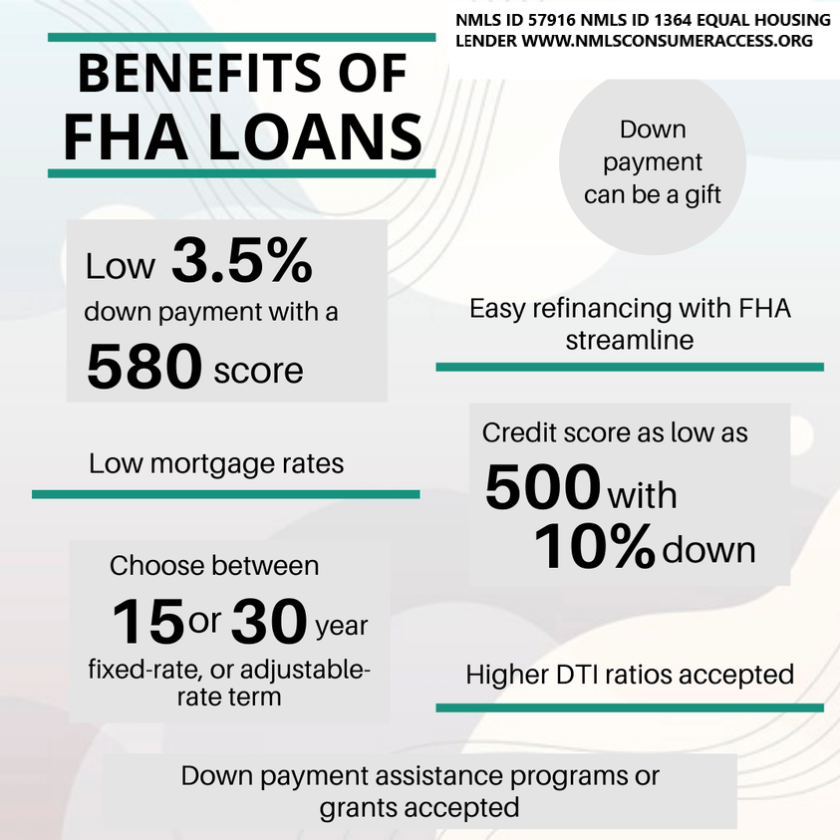
Here are some benefits of Kentucky FHA loans 🤩
✅ Low down payment options
✅ Down payment assistance programs available
✅ Higher DTI ratios accepted

FHA requires you to establish that the income is in fact stable. I am covering Time on Job, Part Time Income, Seasonal Income and Job Gaps below.
 
Time on Job
There is not a minimum length of time a borrower must have held a position for the income to be eligible. However, the application must identify the most recent 2 years of employment.
If the borrower’s employment history indicates that they were in school or in the military, then the borrower must provide evidence supporting this such as college transcripts or discharge papers.
The current type of employment has to be supported by the college transcripts or discharge papers showing that he borrower’s training enabled them to gain employment in their field of training.
 
Part Time Income 

Part-time and second job income can be used to qualify if documentation is obtained to prove that the borrower has worked the part-time job uninterrupted for the past two years, and plans to continue.
For Qualifying purposed, “part-time” income refers to jobs taken to supplement the borrower’s main income from regular employment, such as a second job that is less than 40 hours per week.
Income: Is averaged over the previous 2 years. If there was a pay rate increase and we can document the increase in pay, you can average the new pay rate over 12 months.
 
Seasonal Income
Seasonal income may be acceptable for qualifying. It is not unusual to have out-of-season income from unemployment income. If the borrower has a 2 year history and continuance is probable, this type of income may be allowed to qualify the borrower.
The key here is history and continuance.
 
Job Gaps
The borrower must provide a signed explanation for gaps in employment as follows:
Income can be considered effective if the following can be verified:
1. Borrower has been employed in the current job for at least six months at the time of the case number assignment AND
2. A two year work history prior to the absence from employment.
 

What does FHA stand for?

FHA stands for Federal Housing Administration, and the FHA is a government agency that insures mortgages. It was created just after the Great Depression, at a time when homeownership was prohibitively expensive and difficult to achieve because so many Americans lacked the savings and credit history to qualify for a loan. The government stepped in and began backing mortgages with more accessible terms. Approved lenders began funding FHA loans, which offered more reasonable down payment and credit score standards.

Today, government-backed mortgages still offer a safety net to lenders—because a federal entity (in this case, the FHA) is guaranteeing the loans, there’s less financial risk if a borrower defaults on their payments. Lenders are then able to loosen their qualifying guidelines, making mortgages available to middle and low income borrowers who might not otherwise be approved under conventional standards.

What’s the difference between FHA and conventional loans?

Home loans fall into two broad categories: government and conventional. A conventional loan is any mortgage that is not insured by a federal entity. Because private lenders assume all the risk in funding conventional loans, the requirements to qualify for these loans are more strict. Generally speaking, FHA loans might be a good fit if you have less money set aside to fund your down payment and/or you have a below-average credit score. While low down payment minimums and competitive interest rates are still possible with a conventional loan, you’ll need to show a strong credit score to qualify for those advantages.

Each loan type has advantages and disadvantages—including different mortgage insurance requirements, loan limits, and property appraisal guidelines—so choosing the one that works best for you really depends on your financial profile and your homebuying priorities.

FHA loans pros and cons

FHA loans are meant to make homeownership more accessible to people with fewer savings set aside and lower credit scores. They can be a great fit for some borrowers, particularly first time homebuyers who often need lower down payment options, but you should weigh the costs and benefits of any mortgage before committing. Here’s a breakdown of the key pros and cons when it comes to FHA loans:

Pros Cons
Low down payment. Down payments make up the majority of cash to close in any purchase loan, and saving up for one can be a significant barrier for some borrowers. FHA loans make it possible to put down as little as 3.5% upfront and still get competitive rates. Mandatory MIP payments. FHA loans are more lenient, but they also come with insurance costs to mitigate risk to the lender. You’ll have to pay Mortgage Insurance Premiums (MIP) no matter what—either for 11 years or for the life of your loan, depending on your down payment.
Lower credit score. Credit scores can be a major hurdle when it comes to conventional loans, but borrowers with credit scores starting at 500 can qualify for FHA loans. Less competitive. Sometimes sellers can be more hesitant to accept FHA loans. In a competitive market, you might not win out against conventional loan bids.
Higher DTI accepted. Your debt-to-income (DTI) ratio gives lenders an understanding of other major financial obligations in your life. This ratio is a key factor in any loan application because it indicates your ability to afford a mortgage based on current household income and existing debt. Again, FHA loans offer more leniency here and borrowers at or below 43% DTI can qualify. Stricter property standards. To offset risk and further protect lenders, FHA loans have strict criteria when it comes to assessing the condition of any property being purchased with an FHA loan. The downside? The house you want to buy might not qualify for an FHA loan. The upside? You’re less likely to be financially burdened by a home that requires expensive repairs or updates.
No income limitations. It’s a common misconception that FHA loans are only available to first-time homebuyers or borrowers with limited income—but they’re not. There’s no maximum income limit that would disqualify you from this type of loan. Loan limits: FHA loan limits are typically lower than conventional loan limits, which means you might not be able to get funding for more expensive houses. This isn’t necessarily a bad thing, since it helps ensure that borrowers get loans they can afford to repay.

How to qualify for an FHA loan

Qualifying for an FHA loan is generally easier than qualifying for a conventional loan, but you’ll still need to meet some basic minimum standards set by the FHA. While the government insures these loans, the funding itself comes through FHA-approved lenders each lending institution may have slightly different qualifying guidelines for its borrowers. Keep in mind that, while these FHA standards offer a basic framework, you’ll need to confirm the individual qualifying rules with your specific lender.

  • Credit score minimum 500. Your exact credit score will play a big role in determining your down payment minimum; typically, the higher your credit score, the lower your down payment and the more favorable your interest rate.

  • Debt-to-income ratio at or below 56.9%. DTI is a standard way of comparing the amount of money you earn to the amount you spend paying off other debts, and FHA loans are more lax on this number.

  • Steady income and proof of employment. Being able to provide at least 2 years of income and employment records is a standard requirement for all loans.

  • Down payment between 3.5%-10%. The down payment minimum for an FHA loan is typically lower than conventional loan, and can be as little as 3.5% depending on your credit score and lender.

  • Property standards apply. You won’t qualify for an FHA loan if the house you want to buy doesn’t pass the appraisal process, which is more strict with this type of loan than conventional mortgages.

  • Maximum FHA loan amount. The amount of money you borrow cannot exceed the FHA loan limits; this number changes based on your county and is determined by how expensive the local market is; the maximum FHA loan limit in 2021 is $420,000 (check HUD resources to confirm the latest limits.)


Joel Lobb
Senior Loan Officer
(NMLS#57916)

American Mortgage Solutions, Inc.
10602 Timberwood Circle, Suite 3
Louisville, KY 40223

text or call my phone: (502) 905-3708
email me at kentuckyloan@gmail.com

The view and opinions stated on this website belong solely to the authors, and are intended for informational purposes only. The posted information does not guarantee approval, nor does it comprise full underwriting guidelines. This does not represent being part of a government agency.

The views expressed on this post are mine and do not necessarily reflect the view of my employer. Not all products or services mentioned on this site may fit all people. NMLS ID# 57916, (http://www.nmlsconsumeraccess.org). Mortgage loans only offered in Kentucky.
All loans and lines are subject to credit approval, verification, and collateral evaluation and are originated by lender. Products and interest rates are subject to change without notice.

Joel E Lobb
American Mortgage
5029053708
email us here
Kentucky FHA, VA, USDA & Rural Housing, KHC and Fannie Mae mortgage loans.

Kentucky Mortgage Broker Offering FHA, VA, USDA, Conventional, and KHC Down Payment Assistance Home Loans's avatarLouisville Kentucky Mortgage Loans

View original post

Louisville Kentucky Mortgage Rates for First Time Home Buyers


Do I qualify as a Kentucky first-time home buyer?

You are typically considered eligible to apply for first-time home buyer loans and benefits if you haven’t owned your principal residence within the past three years.

Some first-time home buyer assistance programs are even more lenient, offering financial aid in specific areas targeted for redevelopment, even to repeat buyers.


Kentucky First-time home buyer benefits

Benefits can include low- or no-down-payment loans, grants or forgivable loans for closing costs and down payment assistance, as well as federal tax credits with the Kentucky Housing Agency or KHC


Is there an income limit to qualify as a first-time home buyer?

Income limits come into play when you are applying for local, state or federal government assistance. Some national mortgage programs, such as loans issued or backed by the U.S. Department of Agriculture, also have household income limits.

Some low-down-payment conventional loans do, too.

In these cases, your income may be benchmarked to local county limits for low- and moderate-income households.

Lenders, even those working with loan programs authorized by a state housing agency, will likely consider your debt-to-income ratio when determining if you qualify.


How to qualify for a first-time home buyer grant

Grants or forgivable loans that typically don’t require repayment are available to low- and moderate-income borrowers through state first-time home buyer programs. Approval standards vary by program and location but often include household income and home sale price limits.

How to qualify for down payment assistance

Just as for grants, down payment and closing cost assistance is often offered by local and state housing authorities. Again, qualifications vary. Look for income and home sale price caps here, too.

Don’t be surprised if a first-time home buyer class is required to qualify for a grant or down payment assistance. These classes are designed to help you navigate the homebuying process, and can be a good idea to take whether they’re mandatory or not.


What are the requirements to qualify for a first-time home buyer loan?

Qualifications required for approval of a loan vary by the type of mortgage — and even by the lender — but here are some general guidelines:

Kentucky Conventional loans:

For a 3% down payment, you’ll need at least a 620 FICO and a debt-to-income ratio below 50%. The higher your credit score or the lower your debt, the better your chances are for approval.

Kentucky FHA loans:

If you want a down payment as low as 3.5%, you’ll need a FICO score of 580 or higher. With 10% down, your required credit score may go as low as 500.

Kentucky VA loans:

Down payments aren’t generally required for a loan backed by the Department of Veterans Affairs. And while VA-backed loans don’t have a minimum FICO score as a part of their official requirements, many lenders look for a score of 620 or better.

KentukcyUSDA loans:

Another no-down-payment option, USDA-backed loans are typically issued for rural or suburban properties. Income limits apply. A FICO score of 640 or better is generally required, though exceptions with documentation can allow a lower score.

Lenders can add additional conditions, called “overlays,” to loan approval. This is another good reason to shop for more than one lender.


Joel Lobb
Mortgage Loan Officer
Individual NMLS ID #57916
 
American Mortgage Solutions, Inc.
 

Text/call:      502-905-3708

fax:            502-327-9119
email:
          kentuckyloan@gmail.com
 

What are the requirements to  qualify for a Kentucky FHA Mortgage?

What are the requirements to  qualify for a Kentucky FHA Mortgage in 2020?

Kentucky  FHA loan is a mortgage that is insured by the Government agency under Housing and Urban Development that is called FHA or short for Federal Housing Administration. The loan was established for Kentucky Home buyers will very little or no money down home loans with more  lenient credit score and  income requirements  and tends to be more forgiving about credit history with regard to bankruptcy and foreclosures, higher debt to income ratios and job history with limited work history for home buyers will only 2 years work history or less.

Kentucky FHA Credit Score Requirements and Down Payment Requirements

The Kentucky FHA  home loan  program may accept credit scores as low as 580 and require at least a 3.5 percent down payment of the sales price on a purchase. If you have a credit score below 580, then  a 10 percent down payment or more may be acceptable some FHA lenders in Kentucky , providing you meet all program guidelines in regards to debt to income ratios, assets, and income requirements .  The loan cannot be used for rental properties and does allow for co-signers if they are related.

Remember, these guidelines are set forth by FHA and all lenders do not have to offer these guidelines, to whereas they may a higher credit score or more money down or income restrictions on how much you can qualify for.

Kentucky FHA Mortgage Loans and Bankruptcy or Foreclosure

In case you had a  blemish on your credit report with a bankruptcy, short sale or foreclosure, follow these guidelines.

Kentucky FHA loans requires a passage of two years since the discharge date of a chapter 7 bankruptcy. A chapter 13 bankruptcy may be acceptable after at least 12 months of an on time pay-back period and the borrower has received permission from bankruptcy court to enter the mortgage transaction, and you qualify with the new house payment along with other debts on the credit report.

Three years must pass if you went through a short sale or foreclosure. The date starts when the home was sold, not when you entered the transaction toward foreclosure or short sale period. Sometimes the house will not sell to 1-2 years later after the foreclosure and this is when the passage date starts. Keep this in mind on your next FHA loan pre-approval if you have had a bankruptcy or foreclosure in the past.

Kentucky FHA Loans and Mortgage Insurance

FHA loans have two forms of mortgage insurance which protects the lender for any losses suffered if the borrower defaults on the payment. ne is called upfront mortgage insurance premium (UFMIP) which has a rate of 1.75% of the loan amount. The fee can be added to the loan amount or paid in full as part of your closing costs. In addition, FHA loans also have a 0.8-0.85% (of the loan amount) monthly mortgage insurance. In most cases, this mortgage insurance remains for the life of the loan. To eliminate the mortgage insurance, the borrower must refinance the loan into a non-FHA loan program and have 20% equity in the property.

In addition to the down payment requirements on a FHA loan, they’re closing costs and prepaids to pay at closing. The  seller can contribute up to 6% of the sales price to help the buyer with closing costs and prepaid expenses. Closing costs vary from lender to lender and your prepaids would be the same no matter which lender you choose because this is a function of the property ‘s home insurance premium quote you obtain and the property tax bill on the home set by PVA.

Sometimes the lender can pay a credit toward these expenses at closing with a lender credit which lets the lender credit back to you with a higher rate to reduce the costs of the loan’s costs at closing for out of pocket expenses.

All Kentucky FHA loans are assumable, which means that when the homeowner sells a home, the buyer may be able to take on the existing loan and terms (e.g.: balance, rate and remaining loan amount). Of course, anyone interested in the assumable loan feature must go through the approval process (credit check, income verification) with the current lender on the property. This is a very rare occurrence because most sellers are going to sell the home for more than they owe on it.

Kentucky FHA Loan Requirements


The view and opinions stated on this website belong solely to the authors, and are intended for informational purposes only. The posted information does not guarantee approval, nor does it comprise full underwriting guidelines. This does not represent being part of a government agency. The views expressed on this post are mine and do not necessarily reflect the view of my employer. Not all products or services mentioned on this site may fit all people. NMLS ID# 57916, (www.nmlsconsumeraccess.org). USDA Mortgage loans only offered in Kentucky.

All loans and lines are subject to credit approval, verification, and collateral evaluation

How to qualify for a Kentucky FHA Home Loan ?

How to qualify for a Kentucky FHA Home Loan ?

Image result for fha loans ky


FHA stands for the Federal Housing Administration which is a government agency created to increase home-ownership across the United States all the way back in 1934. The agency itself doesn’t offer home loans but insures loan that are offered by private lenders (i.e. mortgage companies).

It’s important to understand the different types of loan programs available to you and what benefits and drawbacks there are to each type.

For example, if you’re looking to find a fixer upper this may not be the right loan program for you. But an FHA loan may be a better fit for you if you have little cash saved up for a down payment or if you don’t have a high credit score.

Kentucky FHA loan requirements:

  • At least 18 years old to apply
  • No age limit. just must be 18 years of age to apply.
  • Must occupy the home as a primary residence, no rental homes or investment property
  • An appraisal must be done by an FHA-approved appraiser.Typically FHA appraisal in Kentucky costs anywhere from low-end $325 to $525 with most FHA lenders in KY.
  • Home inspection is not required
  • Termite inspection not required
  • 2 years removed from Chapter 7 bankruptcy, and 1 year in Chapter 13 bankruptcy is possible to get a loan while in bankruptcy
  • Foreclosure or short sale on previous home mortgage requires 3 years removal from those dates.
  • Mortgage insurance (MIP) is required
  • Upfront Mortgage Insurance Premium is 1.75% and monthly mortgage insurance is .85% or .80% depending on loan term and loan to value.
  • Mortgage insurance is for life of loan.
  • No matter your credit scores, everyone pays the same mortgage insurance premiums.
  • Must have 2 years of employment history proving a reliable source of income
  • 500 FICO score requirement with at least 10% down payment
  • 580 FICO score requirement with at least 3.5% down payment
  • Gifts and down payment assistance programs are allowed to meet your down payment requirements. Cannot come from seller, but seller can contribute up to 6% of the sales price toward buyer’s closing costs and prepaids.
  • Student loan payments are factored into the debt-to-income ratio when applying. Typically if loans are deferred, or in an income=based repayment plan, the FHA underwriters will use 1% of the outstanding balance, which sometimes can make it difficult to qualify.
  • Your debt-to-income ratio must not be higher than 31% or total debt obligation cannot be higher than 43% of your current income. This is for a manual underwriter, meaning that if the AUS underwriting system by mortgage lenders will approve you for a higher debt to income ratio, that is fine.


Joel Lobb (NMLS#57916)
Senior  Loan Officer
American Mortgage Solutions, Inc.
10602 Timberwood Circle Suite 3
Louisville, KY 40223
Company ID #1364 | MB73346

Text/call 502-905-3708kentuckyloan@gmail.com

If you are an individual with disabilities who needs accommodation, or you are having difficulty using our website to apply for a loan, please contact us at 502-905-3708.

Disclaimer: No statement on this site is a commitment to make a loan. Loans are subject to borrower qualifications, including income, property evaluation, sufficient equity in the home to meet Loan-to-Value requirements, and final credit approval. Approvals are subject to underwriting guidelines, interest rates, and program guidelines and are subject to change without notice based on applicant’s eligibility and market conditions. Refinancing an existing loan may result in total finance charges being higher over the life of a loan. Reduction in payments may reflect a longer loan term. Terms of any loan may be subject to payment of points and fees by the applicant  Equal Opportunity Lender. NMLS#57916http://www.nmlsconsumeraccess.org/

— Some products and services may not be available in all states. Credit and collateral are subject to approval. Terms and conditions apply. This is not a commitment to lend. Programs, rates, terms and conditions are subject to change without notice. The content in this marketing advertisement has not been approved, reviewed, sponsored or endorsed by any department or government agency. Rates are subject to change and are subject to borrower(s) qualification.

FHA vs Conventional Infograhic

FHA says as many as 50,000 mortgages will be affected by new lending rules

Two weeks ago, the FHA took steps to limit risk to its single-family portfolio, announcing that it will flag some loans for manual underwriting. FHA’s Chief Risk Officer Keith Becker told the WSJ just how many loans the agency thinks will be affected, adding that the FHA felt that it was appropriate to take some steps to mitigate the risks we’re seeing.

FHA Loan Changes for Kentucky Home Buyers in 2019


Two weeks ago, the Federal Housing Administration took steps to mitigate risks to its single-family portfolio, announcing updates to its TOTAL Mortgage Scorecard that will flag some loans for manual underwriting.

The move upset a number of lenders who feared that some of their borrowers would be shut out of FHA financing and that borrowers who began the process but no longer qualified under new guidelines would be angry.

Turns out, their fears have some merit.

An FHA official told The Wall Street Journal that approximately 40,000 to 50,000 loans a year will likely be affected, which amounts to about 4-5% to all the mortgages the FHA insures on an annual basis.

“We have continued to endorse loans with more and more credit risk,” said FHA’s Chief Risk Officer Keith Becker. “We felt that it was appropriate to take some steps to mitigate the risks we’re seeing.”

The WSJ points out that the move is a complete reversal of the agency’s 2016 decision to loosen underwriting standards, nixing an old rule that required manual underwriting for loans with credit scores below 620 and a debt-to-income ratio above 43%.

close dialog
Stay ahead of the market with
Daily Update
Around the clock coverage and information about the US mortgage and housing industry
Sign Up
No thanks

But the agency’s annual report to Congress released in November revealed risk trends that threatened to drain the program, among them a significant increase in cash-out refinances, a drop in average borrower credit score, and a jump in borrowers with high DTIs.

Requiring manual underwriting for riskier loans is intended to curb these risks, and there’s a good chance a number of borrowers will no longer qualify.

According to Becker, it’s likely that many of the loans flagged for manual underwriting won’t end up passing muster.


Source: FHA says as many as 50,000 mortgages will be affected by new lending rules

FHA eliminates two unnecessary and outdated lending roadblocks

The Federal Housing Administration has taken steps to reduce some of the regulatory burdens that belabor the lending process, releasing two mortgagee letters Tuesday with updated guidelines on home warranty and inspection requirements for single-family FHA loans. FHA Commissioner Brian Montgomery said the moves align with the administration’s goal streamline and update guidelines in an effort to reduce regulatory barriers.

Source: FHA eliminates two unnecessary and outdated lending roadblocksKentucky FHA Guidelines for Inspections and Warranty's

 FHA Mortgage Loans- Gifts to Pay off Debt to Qualify for a FHA Home Loan.


FHA Loans in Kentucky  – Gifts to Pay off Debt

Do you know that a gift can be used to pay off Borrower’s debts to qualify on an Kentucky FHA Loan?

A regular gift (this does not include a gift of equity) may be used to pay off a Borrower’s debt(s) for qualifying purposes as long as both the gift funds and the debt(s) being paid off with the gift funds are accurately disclosed and assessed by AUS TOTAL Scorecard. Whenever a gift is received on an Kentucky FHA loan, regardless of what it is being used for, it carries certain risks that must be assessed by TOTAL Scorecard for qualifying purposes.

When a gift is received to pay off debt(s), follow the steps below to ensure that TOTAL Scorecard accurately assesses the risk of using gift funds in paying off debt for qualifying:

  • Verify that evidence of the debt(s) having a zero balance has been obtained,
  • Enter the gift funds received separate from any account balances and check “will be paid off” for debts in loan origination system (not “paid off”), and
  • Submit the loan to TOTAL Scorecard
 
American Mortgage Solutions, Inc.
10602 Timberwood Circle Suite 3
Louisville, KY 40223
Company ID #1364 | MB73346


Text/call 502-905-3708
kentuckyloan@gmail.com

http://www.nmlsconsumeraccess.org/
If you are an individual with disabilities who needs accommodation, or you are having difficulty using our website to apply for a loan, please contact us at 502-905-3708.

Disclaimer: No statement on this site is a commitment to make a loan. Loans are subject to borrower qualifications, including income, property evaluation, sufficient equity in the home to meet Loan-to-Value requirements, and final credit approval. Approvals are subject to underwriting guidelines, interest rates, and program guidelines and are subject to change without notice based on applicant’s eligibility and market conditions. Refinancing an existing loan may result in total finance charges being higher over the life of a loan. Reduction in payments may reflect a longer loan term. Terms of any loan may be subject to payment of points and fees by the applicant  Equal Opportunity Lender. NMLS#57916http://www.nmlsconsumeraccess.org/

— Some products and services may not be available in all states. Credit and collateral are subject to approval. Terms and conditions apply. This is not a commitment to lend. Programs, rates, terms and conditions are subject to change without notice. The content in this marketing advertisement has not been approved, reviewed, sponsored or endorsed by any department or government agency. Rates are subject to change and are subject to borrower(s) qualification.