How to Get A Kentucky FHA Upfront Mortgage Insurance Premium (UFMIP) Refund

Kentucky FHA Refinance Guide (HUD-Compliant)

FHA UFMIP Refund: Official HUD Rules Kentucky Homeowners Need to Know

If you refinance an existing FHA loan into a new FHA loan, HUD may provide a partial refund of your upfront mortgage insurance premium.

What is an FHA UFMIP Refund?

FHA requires an upfront mortgage insurance premium (UFMIP), typically 1.75% of the base loan amount. According to HUD guidance, borrowers who refinance an FHA-insured loan into another FHA-insured loan may be eligible for a partial refund of the previously paid UFMIP.

The refund is not paid in cash. It is applied as a credit toward the new upfront mortgage insurance premium on the new FHA loan.

HUD Requirements for Eligibility

  • Existing loan must be FHA-insured
  • New loan must also be FHA-insured
  • Loan must not be delinquent beyond HUD allowable limits
  • Refinance must meet FHA net tangible benefit requirements

How the FHA UFMIP Refund is Calculated

HUD does not use a flat percentage schedule for public guidance. Instead, the refund is calculated using FHA’s official insurance amortization method based on:

  • Time elapsed since loan endorsement
  • Original upfront premium paid
  • Remaining insurance exposure

The refund amount declines monthly and is administered through FHA Connection at the time of refinance.

Critical HUD Rule

No refund is due after the third year (36 months) of insurance.

Example (HUD-Based Explanation)

Example scenario based on FHA structure:

  • Loan Amount: $200,000
  • UFMIP Paid: $3,500
  • Refinance within first 12–24 months

A portion of the $3,500 may be credited toward the new FHA upfront premium, depending on the exact month of refinance and HUD’s internal calculation.

What This Means Strategically

From a lending strategy standpoint, this creates a limited-time refinance window where:

  • You may recover part of your upfront cost
  • You may reduce your interest rate
  • You may lower your monthly payment

However, the benefit declines every month and disappears after 36 months. Timing is critical.

Common Misconceptions

  • There is no guaranteed refund percentage
  • Refunds are not issued as cash payments
  • This does not apply to conventional, VA, or USDA refinancing

When Should Kentucky Homeowners Review This?

If your FHA loan closed within the last 36 months, it is worth evaluating your refinance options immediately. Waiting reduces or eliminates your refund eligibility.

Free FHA Refinance Review

Find out if you qualify for a UFMIP refund and lower payment.

Call/Text: 502-905-3708

Joel Lobb, Mortgage Broker FHA, VA, KHC, USDA


Joel Lobb | Mortgage Loan Officer | NMLS #57916 | Company NMLS #1738461 | Equal Housing Lender

This is not a commitment to lend. All loans are subject to credit approval and program requirements.

This website is not affiliated with or endorsed by FHA, VA, USDA, KHC, or any government agency.

How to Get A Kentucky FHA Upfront Mortgage Insurance Premium (UFMIP) Refund

Kentucky FHA Refinance Guide (HUD-Compliant)

FHA UFMIP Refund: Official HUD Rules Kentucky Homeowners Need to Know

If you refinance an existing FHA loan into a new FHA loan, HUD may provide a partial refund of your upfront mortgage insurance premium.

FHA borrowers in Kentucky often overlook one major refinance benefit: if you refinance from one FHA-insured loan into another FHA-insured loan, part of the upfront mortgage insurance premium you previously paid may be credited toward the new loan.

Timing matters. The longer you wait, the smaller the benefit becomes. After 36 months, the refund opportunity is generally gone.

FHA UFMIP Refund Schedule infographic Kentucky FHA refinance

Refinance timing directly impacts how much FHA UFMIP may be credited toward your new loan.

What is an FHA UFMIP Refund?

FHA requires an upfront mortgage insurance premium (UFMIP), typically 1.75% of the base loan amount. If you refinance your existing FHA loan into another FHA-insured loan, part of that previously paid premium may be credited toward the new upfront mortgage insurance premium.

HUD Requirements for Eligibility

  • Existing loan must be FHA-insured
  • New loan must also be FHA-insured
  • Loan must meet FHA payment history guidelines
  • Refinance must meet net tangible benefit requirements

Critical HUD Rule

No refund is due after 36 months.
Kentucky FHA refinance UFMIP refund ad with call to action

Free FHA Refinance Review

Find out if you qualify for a UFMIP refund and lower your payment.

Call/Text: 502-905-3708

Joel Lobb, Mortgage Broker FHA, VA, KHC, USDA


Joel Lobb | Mortgage Loan Officer | NMLS #57916 | Company NMLS #1738461 | Equal Housing Lender

This is not a commitment to lend. All loans are subject to credit approval and program requirements.

This website is not affiliated with or endorsed by FHA, VA, USDA, KHC, or any government agency.

1 –  Email – kentuckyloan@gmail.com 

2.   Call/Text – 502-905-3708

Joel Lobb
Mortgage Loan Officer – Expert on Kentucky Mortgage Loans


🌐 Websitewww.mylouisvillekentuckymortgage.com
🏢 Address: 911 Barret Ave., Louisville, KY 40204


Evo Mortgage
Company NMLS# 1738461
Personal NMLS# 57916

For assistance with Kentucky mortgage loans, reach out via email, call, or text Joel Lobb directly.

Kentucky Local Home Loan Lender Services

✅ First-Time Home Buyers Welcome
✅ FHA, Rural Housing (USDA), VA, and Kentucky Housing Corporation (KHC) Loans
✅ Conventional Loan Options Available
✅ Fast Local Decision-Making
✅ Experienced Guidance Through the Home Buying Process

If you are an individual with disabilities who needs accommodation, please contact us at 502-905-3708. If you are having difficulty using our website to apply for a loan, please contact us at 502-905-3708.

Kentucky FHA Streamline Refinance

Kentucky FHA Streamline Refinance: Lower Your FHA Payment With Less Hassle

If you already have an FHA mortgage in Kentucky and you’re searching online for a way to lower your house payment, an FHA Streamline Refinance may be the fastest path to a lower monthly payment. In many cases it requires less documentation than a standard refinance, and it often does not require a new appraisal.

This guide breaks down how an FHA Streamline Refinance works in Kentucky, what “mortgage insurance” (MI) changes mean for your payment, how streamline differs from a regular refinance, and what the closing costs typically look like. Then you’ll see a side-by-side payment example so you can quickly estimate how much you might save.

Call or text 502-905-3708 for a free FHA refinance review (Kentucky only).


Quick links


What is an FHA Streamline Refinance?

An FHA Streamline Refinance is a refinance option for homeowners who already have an FHA-insured mortgage. It’s called “streamline” because the process can be simpler than a standard refinance.

In many cases, a streamline can be used to:

  • Lower your interest rate and reduce your monthly principal-and-interest payment
  • Move from an adjustable-rate to a fixed-rate mortgage (or vice versa)
  • Shorten your term (for example, 30 years to 15 years) or adjust the term to fit your budget
  • Potentially improve long-term cost if your current FHA mortgage insurance is high

Important: FHA streamline refinances generally require a “net tangible benefit,” meaning the refinance must clearly improve your situation (most commonly a lower payment or more stable terms).

External authority link (FHA basics): HUD.gov


Streamline vs regular refinance in Kentucky

People often ask, “Is streamline the same as a normal refinance?” It’s not. Here’s the practical difference for Kentucky homeowners.

Category FHA Streamline Refinance Regular Refinance (full documentation)
Who it’s for Only borrowers with an existing FHA mortgage FHA, Conventional, VA, USDA refis (depending on eligibility)
Appraisal Often not required (depends on lender/transaction type) Typically required
Income/asset documentation Often reduced compared to a full refinance (lender overlays may apply) Full documentation is standard
Credit qualification Can be simplified (lender overlays may require a minimum score) Full credit underwriting is standard
Cash out Not a cash-out program Cash-out may be available (program rules apply)
Main goal Lower payment and/or improve terms with fewer steps Rate/term improvement, payoff liens, or cash-out depending on goals

If you want to pull equity out, you’re usually looking at a different product (such as an FHA cash-out refinance or another cash-out option). A streamline is built for payment improvement, not cash-out.

Internal link suggestions (add your own URLs):


Closing costs for a streamline: what you’ll actually pay

Even when a streamline is “simpler,” there are still real costs. Here are the common categories you’ll see on a Loan Estimate:

  • Lender fees (origination/underwriting/processing, if charged)
  • Title work and settlement fees
  • Recording and state/local charges
  • Prepaid interest, escrow setup (taxes/insurance), if applicable
  • Mortgage insurance items (depending on FHA rules for your specific case)

Many homeowners search for “no-cost FHA streamline.” What that usually means is the lender credit covers some or all closing costs. It does not mean the refinance is free. A lender credit typically comes with a slightly higher rate. The right choice depends on your break-even timeline and how long you plan to keep the home.

CTA: Call or text 502-905-3708 and I’ll run both options side-by-side: (1) lowest rate, (2) lowest out-of-pocket.


Payment example chart: interest rate vs mortgage insurance

Most borrowers focus only on interest rate. With FHA loans, mortgage insurance can also be a meaningful part of the monthly payment. Below is a simple example to help you compare.

Example assumptions (for illustration only):

  • Base loan amount: $200,000
  • 30-year term
  • Principal and interest only (taxes and insurance not included)
  • Mortgage insurance shown as an estimated monthly MI amount
Scenario Interest rate Estimated monthly P&I Estimated monthly FHA MI Estimated total (P&I + MI) Estimated monthly savings
Current FHA loan (example) 7.00% $1,330 $170 $1,500
Streamline refinance (example) 5.75% $1,168 $135 $1,303 $197

How to read this:

  • The rate reduction lowers principal and interest.
  • Mortgage insurance may also change based on FHA rules for your specific FHA case number/endorsement date and the new loan structure.
  • Your real payment change depends on your current balance, remaining term, current MI factor, escrow, and pricing on the day you lock.

If you want, I can run your exact numbers and provide a clear “before vs after” worksheet.


How to apply for an FHA Streamline Refinance in Kentucky

Here’s the clean step-by-step path I use with Kentucky FHA homeowners:

  1. Quick review call (10 minutes): current FHA loan, payment, goals, occupancy, and timeframe.
  2. Case-specific eligibility check: confirm streamline eligibility and net tangible benefit.
  3. Pricing options: compare “lowest rate” vs “lender credit/no out-of-pocket” options.
  4. Disclosures and documentation: provide whatever your lender’s overlay requires (often reduced vs full refi).
  5. Title work and closing: finalize closing costs, escrows, and signing.

Primary CTA:

Call or text 502-905-3708 for a free Kentucky FHA Streamline Refinance review.
You’ll get a clear estimate of payment savings, costs, and break-even timeline.

External links for topical authority (add as needed):


FAQs: Kentucky FHA refinance questions

Will an FHA streamline refinance require an appraisal in Kentucky?

Often, no. Many streamline refinances are completed without a new appraisal, but lender overlays and transaction specifics can change the requirements.

Can I do an FHA Streamline if my home value is down?

Possibly. Since many streamlines do not require a new appraisal, value changes may not prevent approval. The final answer depends on the lender’s overlay and the exact streamline type.

Can I roll closing costs into the loan?

In many refinance structures, some costs may be financed or offset with lender credit. The right approach depends on your break-even timeline and monthly savings.

Is a streamline always the best refinance choice?

No. If you need cash-out, want to remove mortgage insurance via a different program, or need to restructure debt, a full refinance may be a better fit. The correct recommendation comes from a side-by-side comparison.


Free Kentucky FHA refinance review

Joel Lobb
Mortgage Broker
NMLS #57916
Licensed in Kentucky only
Company NMLS #1738461
Call or text: 502-905-3708
www.nmlsconsumeraccess.org

Not a commitment to lend. All loans subject to credit approval and underwriting. Program guidelines and lender overlays can change without notice. Not affiliated with any government agency, including FHA.


Kentucky Down Payment Assistance: Get $12,500 for Your Home

Kentucky Down Payment Assistance

This type of loan is administered by KHC in the state of Kentucky. They typically have $12,500 down payment assistance year around, that is in the form of a second mortgage that you pay back over 15 years at a interest rate of 4.75% depending on your income in the household.

Video: Kentucky down payment assistance — get $12,500 for your home
▶ Click to watch on YouTube

Joel has worked with KHC for 12 of his 20 years in the mortgage lending business. Joel said, “A lot of my clients would not have been able to purchase a home of their own or possibly delayed their purchase due to lack of down payment but with the $6,000 DAP loan program, this gets them into a house sooner and starts their path to homeownership while building equity instead of throwing their money away.”

When you’re ready to purchase a home in Joel’s area, contact him at:
Phone: 502-905-3708
Email: Kentuckyloan@gmail.com
Website: www.mylouisvillekentuckymortgage.com

Got questions about your Kentucky mortgage? Contact Joel Lobb

Kentucky FHA Loan Essentials for New Homebuyers

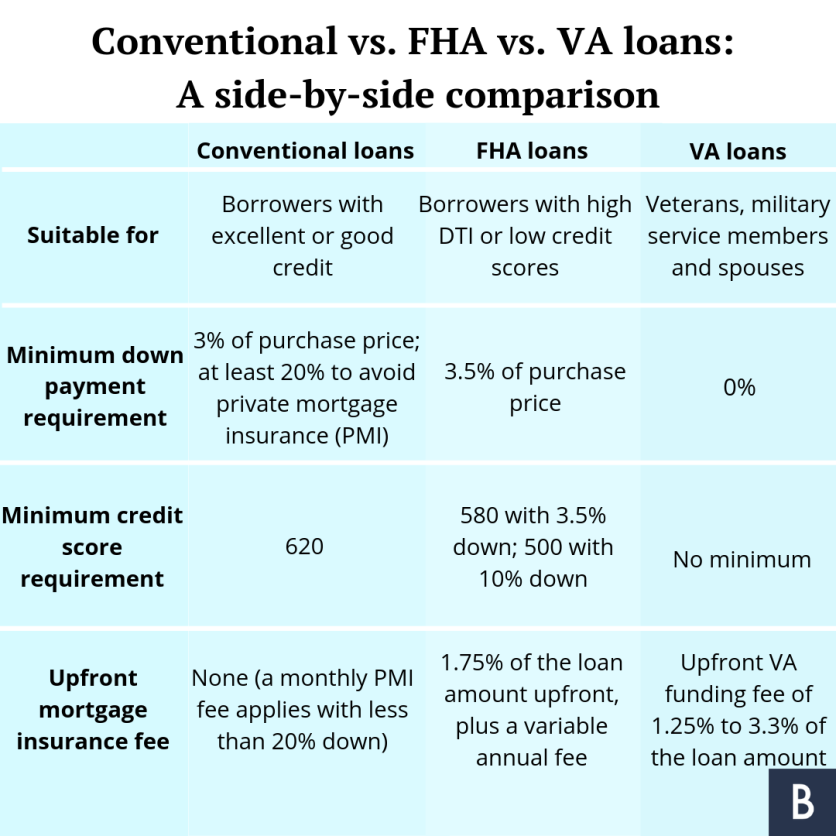
Louisville Kentucky Mortgage Lender for FHA, VA, KHC, USDA and Rural  Housing Kentucky Mortgages: What is the difference between Conventional, FHA  and VA Mortgage loans in Kentucky?


<!– WordPress.com-friendly page content (no , no , no ) –>

Kentucky FHA Loans (2026): Requirements, Down Payment, Credit Scores, and How to Get Approved

If you are buying a home in Kentucky and want a low down payment option with more flexible credit guidelines, an FHA loan is often the most practical path. This guide covers the FHA rules that matter in 2026, the common underwriting issues that slow people down, and the fastest way to get a clean pre-approval.

Want a same-day pre-approval review? Call or text 502-905-3708 or email kentuckyloan@gmail.com.

Helpful links (official + Kentucky-specific):
• FHA loan limits lookup (by Kentucky county): HUD FHA Mortgage Limits
• FHA underwriting rules source document: HUD Handbook 4000.1
• Kentucky Housing down payment assistance overview: KHC Down Payment Assistance


Quick FHA Requirements Snapshot (Kentucky)

  • Minimum down payment: 3.5% with 580+ credit score; 10% with 500–579 (case-by-case).
  • Primary residence only (no investment property).
  • FHA appraisal required and the home must meet FHA property standards.
  • Seller concessions allowed up to 6% of the sales price toward certain closing costs and fees.
  • Mortgage insurance is required (upfront + monthly/annual).

Want me to price your payment and cash-to-close fast? Text “FHA” to 502-905-3708 and I will reply with a document checklist.


Credit Score Guidelines for Kentucky FHA Loans

FHA guidelines allow:

  • 580+ credit score: eligible for the 3.5% minimum down payment option.
  • 500–579 credit score: may be eligible with 10% down (approval depends on the full file).
  • Below 500: generally not eligible for FHA financing.

Important: lenders can add “overlays” (stricter requirements than FHA). That is why two lenders can give two different answers on the same borrower. If you want a straight answer, I will review your scenario and tell you what is realistically approvable.

Next step: Call or text 502-905-3708 for a quick credit-and-income review.


Down Payment and Closing Costs (What Kentucky Buyers Actually Pay)

FHA requires a minimum down payment based on credit score. Closing costs are separate and typically include lender fees, title, escrow, and prepaid items like taxes and homeowners insurance.

3 ways Kentucky FHA buyers reduce cash-to-close

  • Seller concessions (up to 6% of the sales price, when allowed and properly structured).
  • KHC Down Payment Assistance (for eligible borrowers using a KHC first mortgage).
  • Lender credits (higher rate trade-off to reduce upfront costs, when it makes sense).

External reference on seller concessions: HUD guidance on interested party contributions


Kentucky FHA Loan Limits (2026)

FHA loan limits change by county and are updated periodically. The cleanest way to avoid outdated numbers is to pull your county limit directly from HUD.

Use this official lookup tool: HUD FHA Mortgage Limits by County

If you text me your county (or the property address), I will confirm the current FHA limit and your max purchase price: 502-905-3708.


Debt-to-Income Ratio (DTI): What FHA Looks At

FHA underwriting looks at housing expense compared to income and total monthly debts compared to income. A common baseline guideline you will see referenced is 31% for housing and 43% for total debt, with exceptions possible depending on automated underwriting results and compensating factors.

  • Housing ratio (front-end): proposed house payment compared to gross monthly income.
  • Total DTI (back-end): house payment plus monthly debts compared to gross monthly income.

If your DTI is tight, the fix is usually one of these: adjust purchase price, restructure debt, improve credit, or document additional qualifying income correctly.


Types of FHA Loans Kentucky Buyers Use Most

FHA 203(b) Standard Purchase

The most common FHA loan for buying a primary residence in Kentucky.

FHA 203(k) Renovation Loan

Combines purchase plus renovation costs into one loan for qualifying homes that need repairs or updates.

FHA Streamline Refinance

For existing FHA borrowers looking to reduce payment with simplified documentation (when eligible).

FHA Cash-Out Refinance

For homeowners who want to access equity (subject to FHA rules and underwriting).

Internal links (recommended):
• VA Loans: Kentucky VA Home Loans
• USDA Loans: Kentucky USDA Zero Down Loans
• KHC Programs: Kentucky Housing (KHC) Loan Programs


KHC Down Payment Assistance (Pairs Well with FHA)

Kentucky Housing Corporation (KHC) offers down payment assistance for eligible borrowers using a KHC first mortgage. KHC’s Regular DAP has been listed as assistance up to $12,500, repayable over 15 years at 4.75% (subject to program terms, eligibility, and availability). Confirm current options here: KHC Down Payment Assistance.

If you want a straight answer on eligibility (income limits, purchase price limits, and which first mortgage fits), call or text me: 502-905-3708.


How to Apply for an FHA Loan in Kentucky (Simple Process)

  1. Quick consult (10 minutes): goals, county, price range, and down payment plan.
  2. Document review: paystubs, W-2s, bank statements, and ID.
  3. Run automated underwriting and issue a clean pre-approval.
  4. Home shopping + contract.
  5. Appraisal, underwriting, and final approval.
  6. Closing and keys.

Primary CTA:
Call or Text 502-905-3708 for FHA Pre-Approval
Email: kentuckyloan@gmail.com

Secondary CTA (site):
Start here: mylouisvillekentuckymortgage.com


FHA FAQ (Kentucky)

Do FHA loans have income limits?

FHA itself does not set income limits. However, down payment assistance programs (like KHC) typically do.

How long does an FHA loan take to close?

Many FHA purchases close in the 30–45 day range, depending on appraisal timing, documentation, and underwriting conditions.

Can the seller pay my closing costs on FHA?

Seller concessions are allowed up to 6% of the sales price toward certain costs when structured correctly. Reference: HUD guidance.

Where can I verify FHA loan limits for my Kentucky county?

Use HUD’s official lookup tool: FHA Mortgage Limits.


About

Joel Lobb — Kentucky Mortgage Loan Officer
NMLS Personal ID: 57916 | Company NMLS: 1738461
Call/Text: 502-905-3708 | Email: kentuckyloan@gmail.com
NMLS Consumer Access: nmlsconsumeraccess.org


Equal Housing Lender
Joel Lobb | NMLS 57916 | Company NMLS 1738461
10602 Timberwood Circle, Louisville, KY 40223
This is an advertisement. Not a commitment to lend. All loan approvals are subject to underwriting guidelines and program eligibility. Terms and conditions apply. Programs, rates, and guidelines are subject to change without notice.
This website is not endorsed by or affiliated with the FHA, VA, USDA, KHC, or any government agency.

Your Guide to Kentucky FHA Loans

Kentucky FHA loans can be an excellent option for first-time homebuyers and borrowers with lower incomes or less-than-perfect credit. They can also be an easy way to refinance. .

Features and benefits:

  • Low down payment from borrower or other approved source1
  • 580 credit score with 96.5 Financing and down to 500 score with 500 score on case by case
  • Streamline option refinance with no appraisal
  • Up to 6% seller contributions to pay your closing costs and prepaids
  • AUS with FHA TOTAL Mortgage Scorecard
  • Waivers for some ratio and documentation

Purchase, rate/term, or cash-out refinance of a primary residence. Program terms available may vary based on the state or county in which the financed
property is located. Mortgage insurance is required.
CONSIDERATIONS: Important information will be provided to you in the disclosures you receive after we have received your application and the loan
documents you are provided at loan closing. Please consult your tax advisor regarding the deductibility of interest.
Contributions may have limitations based upon occupancy and loan to value ratios and cannot be used for purposes of down payment, reserve
requirement or meet minimum contribution requirements
Programs for qualified borrowers. All borrowers are subject to credit approval, underwriting approval and product requirements, including loan to
value, credit score limits and other lender terms and conditions. Fees and charges may vary by state and are subject to change without notice. Some
restrictions may apply. Not a commitment to lend. 11/22

Getting An FHA Loan

In order to get an FHA loan to buy your next house, it’s a good idea to first check your credit score. That way, you can see what your maximum LTV would be through the FHA and decide whether an FHA loan might be right for you.

Depending on which FHA lender you’re working with, it may also be a good idea to get pre-qualified for an FHA loan. This can help you establish how much you’ll likely be able to borrow and what your interest rate may be.

Application and Underwriting

Once you’ve identified a home you want to purchase and are ready to formally apply for your mortgage loan, you’ll need to choose an FHA-approved lender and work through its individual application and underwriting process. The application process will include completion of a Uniform Residential Loan Application.

As part of your application, you’ll also need to get an appraisal for the home you’re buying, so your lender can ensure your loan won’t violate FHA’s LTV limits. From there, you’ll need to work through your individual lender’s underwriting process, which will include showing proof of income, running credit checks and demonstrating that you can afford your down payment.

Some of the documentation you’ll likely need to supply for underwriting include:

  • A credit report
  • Employment history for two years
  • Income verification with recent pay stubs, bank statements and/or three years of tax returns
  • Proof that you are using the loan for a primary residence
  • An FHA-approved appraisal

After you complete your lender’s application process and underwriting, your lender can formally approve your loan and you can close on your home.

Who Should Consider FHA Loans

FHA loans don’t have stated income maximums or minimums, but are generally designed to benefit low- to moderate-income Americans who would have trouble qualifying for conventional financing or affording the down payment required by other loans.

Some potential cases when FHA loans can be particularly helpful include:

  • First-time homebuyers who can’t afford a large down payment
  • People who are rebuilding their credit
  • Seniors who need to convert equity in their homes to cash

Types Of FHA Loans

There are more than a dozen home loan programs available through the FHA. Many of these programs are ideal for different borrowers in a variety of circumstances, offering everything from 30-year fixed-rate mortgages to adjustable rates, improvement loans, refinancing solutions and even reverse mortgages.

Some of the most popular FHA loan programs are:

  • FHA Section 203(b) loan. The FHA’s most popular home loan program, offering fixed rates on properties from one to four units.
  • FHA Section 203(k) loan. FHA mortgages designed to help homebuyers finance up to $35,000 in improvements to their new homes.
  • Streamline Refinancing. An option for existing FHA borrowers to refinance their loans with streamlined underwriting.

FHA Loans Vs. Conventional Mortgages

Most conventional mortgages require down payments of at least 20% of a home’s purchase price in order to avoid paying private mortgage insurance, along with minimum credit scores of 620 to 640 in order to qualify. With private mortgage insurance (PMI) that helps homeowners pay their mortgage if they lose their jobs, some lenders require lower down payments.

FHA loans have two types of built-in mortgage insurance that allow borrowers to buy homes with as little as 3.5% down—or 10% if they have bad credit. In addition, these loans allow homebuyers to qualify for lower interest rates than they would get with conventional mortgages, all because their loans are federally insured.

FHA LoanConventional Mortgage
Minimum credit score500620
Minimum down payment3.5% if your credit score is 580 or higher; 10% for scores under 58020% to avoid mortgage insurance
Maximum loan term30 years30 years
Mortgage insurance requirementTwo types of mortgage insurance requiredRequired if down payment is under 20%

Pros of FHA Loans

  • High maximum loan-to-value
  • Competitive interest rates
  • Multiple programs available
  • Can qualify with bad credit
  • Closing costs are sometimes paid by lenders

Cons of FHA Loans

  • Mortgage insurance is required for extra cost
  • Only available for a primary residence
  • Must show proof of income
  • Debt-to-income ratio must be under 43% (slightly lower than a conventional loan requires)

Bottom Line

The Federal Housing Administration (FHA) was created in the 1930s in response to the Great Depression to help Americans who couldn’t otherwise afford the dream of homeownership.

Today, the FHA continues to help Americans through more than a dozen loan programs that help Americans with low incomes or bad credit qualify for lower interest rates than they would otherwise get, and buy homes with much smaller down payments than those required by conventional lending tools. The FHA does this by working with approved lenders to insure loans across the country and by building two types of mortgage insurance into all of the loans that it insures.

So, if you have poor credit or are struggling to save for a down payment, you may want to consider using an FHA loan for your next home purchase.

https://www.mylouisvillekentuckymortgage.com/